From the rugged cliffs of the Blue Mountains to the sun-drenched plains of Queensland, we think you’ll agree that Australia is a land of captivating landscapes rich with history. Historic sandstone extraction sites across Australia have played a pivotal role in shaping our nation’s architectural heritage since colonisation.
At Premium Coatings, we’re passionate about the history and cultural significance of sandstone in Australia. As a leading provider of high-quality surface sealers and cleaners, we don’t just want to provide tips on how to care for sandstone; we want to delve deeper and explore the historic extraction sites where we source this beautiful natural resource.
What Makes Sandstone Appealing?
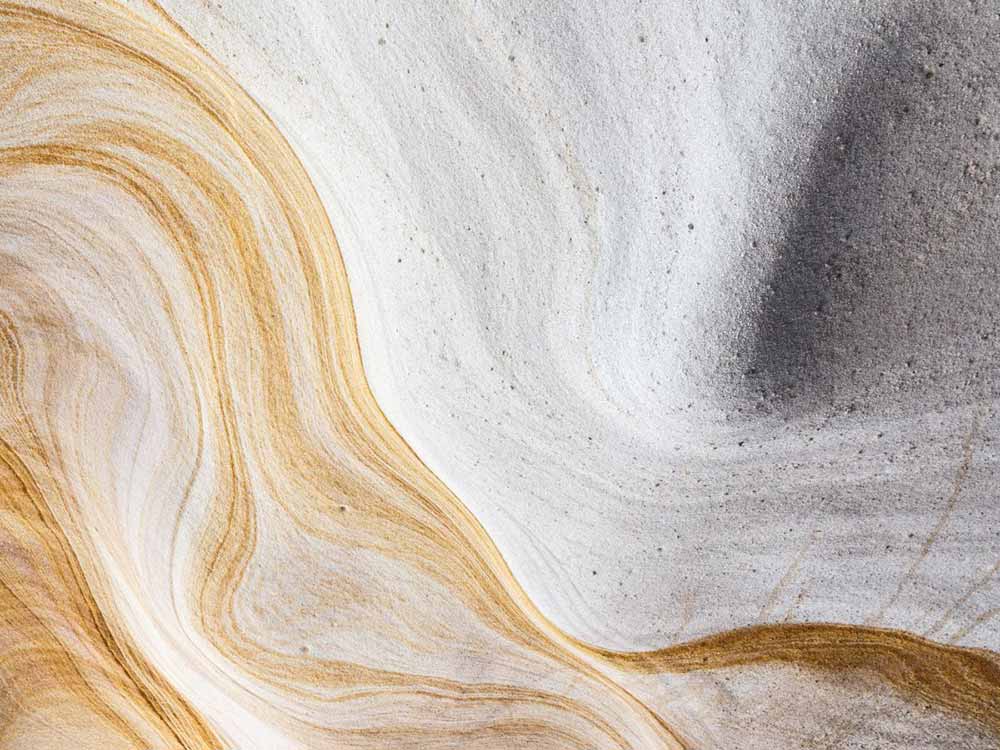
Before we dive into the fascinating world of quarries, let’s first explore the appeal of sandstone. Picture this: nature has meticulously crafted this remarkable sedimentary rock over millions of years. It’s composed of tightly compressed sand grains held together by a natural cement that gives it incredible strength and durability. It’s no wonder sandstone has become the go-to material for construction projects in Australia that stand the test of time.
Of course, sandstone is more than just a sturdy building material; it carries a cultural significance, and its warm tones, refined textures and timeless beauty have shaped the landscapes of our cities, infusing them with a sense of heritage and grandeur. Sandstone is not just a rock; it’s a storyteller, weaving tales of our past and breathing life into our architectural dreams. Read more about the use of sandstone in iconic Australian architecture here.
The Importance of Sandstone Quarries in Australia’s History
To comprehend the full impact of sandstone on Australia’s history, we must acknowledge the crucial role played by the quarries. These extraction sites were the sources of the stone that shaped the landscape of our early colonial architecture and construction. Without the quarries, many iconic buildings and landmarks would not exist as we know them today.
The quarries contributed to the physical development of major Australian cities and provided vital economic opportunities. They created job opportunities, attracted skilled workers, boosted local businesses, and helped build vibrant centres of activity, driving growth and contributing to the development of related industries like construction and stonemasonry.
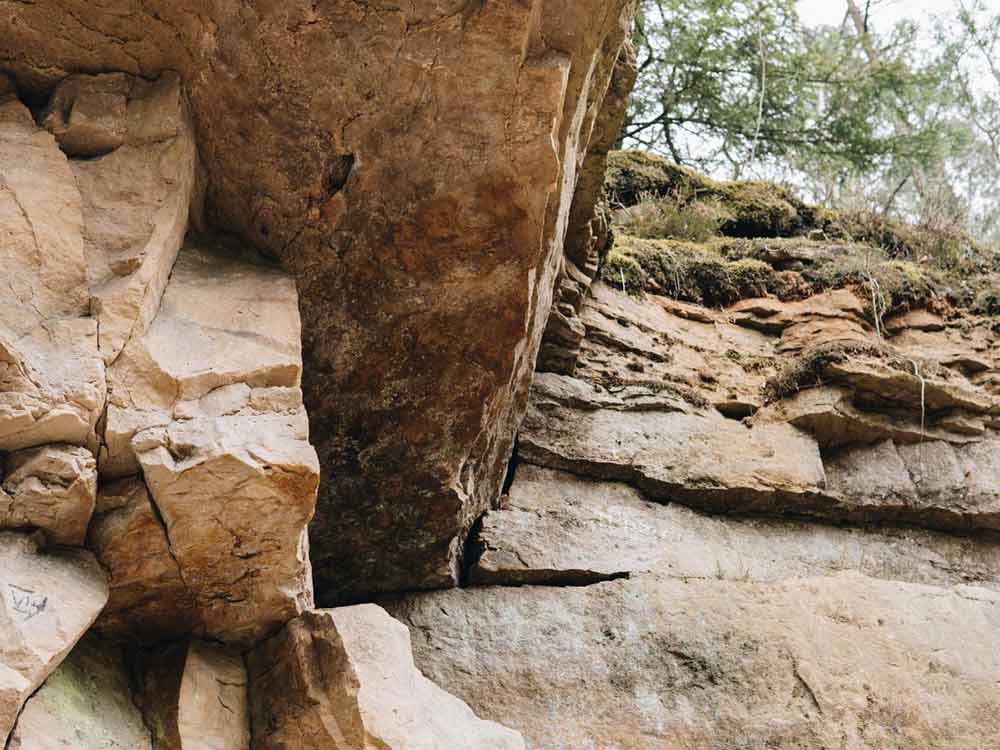
Australia’s sandstone quarries are abundant with geological and historical wonders. They offer a fascinating glimpse into the natural history of the land, revealing the incredible geological processes that took place over millions of years. Standing amidst the quarry’s walls, you can’t help but feel a deep connection to the past, including the Indigenous cultural significance of sandstone in Australia. These quarries also witnessed the remarkable human efforts and craftsmanship that have turned raw stones into awe-inspiring architectural masterpieces. They are living testaments to Australia’s rich cultural heritage and the enduring legacy of those who shaped it.
What Are the Top Sandstone Quarries in Australia?
Australia has a wealth of historic sandstone quarries, but here are two of our favourites that have played a significant role in shaping Australian architecture:
- Gosford Quarry, New South Wales: Nestled in the picturesque region of Gosford, this quarry holds a special place in the history of Australian sandstone. For decades, Gosford Quarry has supplied exceptional sandstone that has left an indelible mark on the architectural landscape of the region. Its distinctive sandstone, with its captivating blend of warm hues and intricate patterns, has adorned notable structures such as the Gosford Town Clock and the iconic Gosford Regional Gallery. The enduring appeal of Gosford sandstone lies in its ability to effortlessly merge with the natural surroundings, creating harmonious designs that evoke a sense of tranquillity.
- Helidon Sandstone Quarry, Queensland: The Helidon Sandstone Quarry is a treasure trove of rich sandstone resources used in many of Queensland’s most significant buildings. The sandstone’s range of colours, from warm ochre to vibrant reds, gives structures like the Queensland Parliament House, St. John’s Cathedral, and the University of Queensland’s Great Court its distinct appearance.
The significance of Australian sandstone quarries goes far beyond the surface. They are vibrant economic engines that support local communities and archives of geological and historical wonders that connect us to the past, making them integral to the fabric of Australia’s heritage.