×
Order a sample

Concrete Sealer Buying Guide: What You Need to Know Before Your Next Renovation

Concrete is durable, but like anything exposed to the elements, it needs protection to maintain its look and longevity. Whether you’re working on a new build or renovating existing concrete surfaces, a concrete sealer is essential. This guide will walk you through everything you need to know about concrete sealers, from the types to choosing the right one for your project. At Premium Coatings Australia, we offer top-tier concrete solutions to make your projects shine!

A concrete sealer is a protective coating applied to concrete surfaces to prevent damage caused by moisture, stains, chemicals, and environmental factors. It also helps improve the appearance of the concrete by enhancing its colour and texture.

Why Use a Concrete Sealer?

Here are some reasons why concrete sealers are essential for your surfaces:

  • Protection Against Water Damage: Concrete is porous, which can absorb water, leading to cracks and surface deterioration. A sealer helps prevent this.
  • Enhances Durability: Sealing your concrete makes it resistant to wear and tear, extending its lifespan.
  • Improves Appearance: Sealers can give concrete a polished, glossy finish, enhancing its aesthetic appeal.
  • Prevents Stains: Protects the concrete surface from oils, grease, and other substances that may cause permanent stains.

Types of Concrete Sealers

When shopping for a concrete sealer, it’s important to know that not all sealers are created equal. There are several types to choose from, each with specific uses and benefits.

Acrylic Sealers

Acrylic sealers are among the most commonly used sealers. They are easy to apply and offer a high gloss finish. These sealers are ideal for driveways, patios, and pathways.

Benefits:

    • Affordable
    • Provides a high-gloss finish
    • Good UV resistance

Penetrating Sealers

Penetrating sealers work by soaking into the concrete surface, making them an excellent choice for waterproofing and protecting against environmental damage.

Benefits:

    • Long-lasting protection
    • Ideal for protecting porous concrete
    • Won’t alter the surface appearance

Key Factors to Consider When Choosing a Concrete Sealer

Selecting the right concrete sealer depends on several factors specific to your project. Here are the key aspects to keep in mind:

1. Surface Type and Condition

The first step in choosing a concrete sealer is understanding the surface type. New concrete, old concrete, and stamped concrete all require different types of sealers.

  • New Concrete: Often requires a penetrating sealer for the best protection against stains and moisture.
  • Old Concrete: A surface with wear and tear might benefit from an acrylic sealer for added durability and aesthetic appeal.
  • Stamped Concrete: These surfaces benefit from a sealer that enhances the colours and texture, such as an acrylic sealer.

2. Indoor vs. Outdoor Use

Consider whether your concrete is indoors or outdoors, as outdoor surfaces are exposed to harsher conditions. Acrylic sealers work well for outdoor floors exposed to moisture and weather, while penetrating sealers are ideal for internal surfaces.

3. Desired Finish

Do you want a glossy finish or a matte, natural look? Acrylic sealers provide a high-gloss finish, while penetrating sealers offer a more subtle, matte look. Choose the finish that aligns with the aesthetic you want to achieve.

4. Durability and Maintenance

Different sealers offer varying levels of durability. For high-traffic areas, such as driveways or garages, you’ll need a more robust sealer, such as acrylic sealers.

Choosing the right concrete sealer is crucial for the protection and longevity of your concrete surfaces. By understanding the different types of sealers, their benefits, and application methods, you can ensure your concrete stays in great condition for years to come.

If you’re in need of high-quality concrete sealers for your next renovation project, look no further than Premium Coatings Australia. Our experts can help you select the perfect product for your needs and guide you through the application process. For inquiries or assistance, feel free to contact us – we’re here to help!

How to Achieve a Long-Lasting Wet Look Finish with the Best Slate Sealer for Surfaces

When enhancing and protecting your slate surfaces, achieving that sought-after “wet look” finish can make a dramatic difference. Not only does it bring out the natural beauty and depth of the stone, but it also provides long-lasting protection against wear and tear. But how do you find the best slate sealer wet-look product that delivers style and durability? This guide will walk you through everything you need to know.

Why Choose a Wet Look for Your Slate Surfaces?

The wet look is more than just an aesthetic choice—it elevates the natural texture and colour of slate, giving it a richer, more vibrant appearance. Beyond looks, a quality slate sealer wet look provides:

  1. Enhanced Protection: Guards against moisture, stains, and scratches.
  2. Durability: Prolong the life of your surfaces by preventing cracking and weathering.
  3. Low Maintenance: Cleans more easily by creating a smooth, non-porous surface.

Steps to Achieve a Long-Lasting Wet-Look Finish

Clean the Surface Thoroughly
Begin by removing any dirt, grease, or debris from the slate. Use a stone-safe cleaner to avoid damage. A good scrub and mop for internal areas, and a pressure washer can be effective for outdoor surfaces, but ensure the slate is completely dry before applying the sealer.

Choose the Sealer
A premium slate sealer with a wet-look product is essential. Look for a penetrating or surface sealer that enhances the stone’s natural colour while providing lasting protection.

Test on a Small Area
Before applying the sealer to the entire surface, test it on a discreet area to ensure it achieves the desired look and finish.

Apply the Sealer Evenly
Apply the sealer in thin, even coats using a roller, brush, or applicator. Allow each coat to dry completely before applying the next. This step ensures maximum adhesion and a flawless finish.

Allow Ample Curing Time
After the final coat, let the sealer cure per the manufacturer’s instructions. Avoid walking on the surface or placing objects until fully set.

Depending on your choice of wet look sealer, matte or shiny. Always refer to the instructions on the product label or the technical data sheet on the website.

Why Choose Premium Coatings Australia for Your Slate Sealing Needs?

At Premium Coatings Australia, we understand that every slate surface is unique. That’s why we offer high-quality slate sealer wet-look products for indoor and outdoor applications. Homeowners and professionals trust our sealers for their durability, ease of use, and stunning finishes.

Achieving a long-lasting wet-look finish on your slate surfaces doesn’t have to be a challenge. With the proper preparation, tools, and premium sealer, you can enhance the natural beauty of your stone while ensuring it stands the test of time.

Ready to transform your slate surfaces? Explore our range of slate sealer wet-look products at Premium Coatings Australia today!

Surface Sealer: The Ultimate Guide for Protecting and Enhancing Surfaces

Home page Sealer

When it comes to protecting and enhancing a wide range of surfaces—whether concrete, wood, stone, or tiles—surface sealers play a crucial role, a quality surface sealer does more than just shield materials from damage; it enhances appearance, extends lifespan, and even improves performance.

In this comprehensive guide, we’ll explore everything you need to know about surface sealers: what they are, the various types available, why they’re essential, and how to choose the best one for your needs. At Premium Coatings, we pride ourselves on providing top-notch sealing solutions for various surfaces, ensuring your investment is protected and aesthetically pleasing.

What is a Surface Sealer?

A surface sealer is a protective coating applied to various materials such as concrete, stone, or tile for ease of maintenance and to protect from elements like moisture, some chemicals, and UV exposure. Depending on the type, sealers either penetrate the surface or create a protective film on top.

Surface sealers serve as a barrier against wear and tear, environmental factors, and other destructive agents. They protect the material and enhance its appearance, often bringing out the surface’s natural colour and texture.

By using surface sealers from Premium Coatings Australia, you’re making a proactive decision to extend the life of your surfaces, protect your investment and improve their functionality.

Why Surface Sealers are Important

Surface sealers are essential for several reasons. First, many surfaces—especially porous ones like concrete and natural stone—are vulnerable to water penetration, which can lead to cracking, spalling, or staining. Sealing helps prevent these issues by creating a protective barrier.

Second, a surface sealer adds durability, making surfaces more resistant to wear, traffic, and environmental factors. For instance, high-traffic areas like driveways or patios can only degrade quickly without proper protection.

Lastly, sealers can enhance surfaces’ aesthetic appeal. Some sealers give a glossy finish that brings out the richness of materials, while others offer a natural matte look finish. Either way, a well-sealed surface looks cleaner, newer, more aesthetically pleasing and much easier to maintain.

Read our blog on stone conservation and restoration for more insight into how sealers can preserve the longevity of natural surfaces.

Critical Benefits of Surface Sealers

Surface sealers offer numerous benefits that go beyond just protecting the surface. Here’s why you should consider using a surface sealer for your next project:

Protection from Moisture and Water Damage

One of the main advantages of using a sealer is its ability to protect surfaces from water infiltration. Water can cause significant damage over time, especially to porous materials like concrete and stone. Sealers act as a barrier, preventing cracks in some cases, spalling, and mould growth.

Stain and Chemical Resistance

Sealed surfaces are much easier to clean and maintain. Sealers provide a protective layer that resists oil, grease, food, and some chemical stains. This is particularly important for areas like driveways, garages, and kitchens, where spills occur daily.

Enhancing Surface Durability

Sealers improve the surface’s resistance to wear, making it more durable and long-lasting. High-traffic areas like sidewalks, patios, or commercial spaces benefit from the added protection, reducing the need for repairs or replacements.

Improving Aesthetic Appeal

Surface sealers enhance the natural beauty of materials by bringing out their colour and texture. Glossy sealers add a polished look, while matte sealers provide a more understated, natural finish. Whether you’re sealing a decorative concrete floor or a stone patio, a sealer can significantly improve the surface’s appearance.

The Premium Coatings Australia Advantage

At Premium Coatings Australia, we provide a wide range of high-quality surface sealers tailored to meet the needs of homeowners, contractors, and businesses. Whether you’re sealing a concrete driveway, protecting a natural stone patio, or preserving the beauty of your surfaces, our products are designed to deliver outstanding performance and durability.

Browse our extensive Sealer Collection, or check out our Shop for all your sealing needs. Our team can always help you choose the right product for your project.

Conclusion

Surface sealers are essential for protecting and enhancing various materials, from concrete and stone and tiles. By understanding the different types of sealers available and their benefits, you can choose the right product for your project and ensure long-lasting protection.

At Premium Coatings Australia, we’re dedicated to providing top-tier surface sealing solutions. Visit premiumcoatings.com.au today to explore our full range of products!

What Is Stone Soap?

Stone soap is a liquid soap for cleaning natural stone surfaces, including marble, limestone, and granite. It is made of organic and non-toxic ingredients like natural oils and minerals. This combination cleans surfaces without scratching or damaging them. 

Whether natural stone countertops or floors, these surfaces are valuable investments. It is vital to use suitable cleaning products to maintain their shine and appeal. 

Why Use Stone Soap? 

Because natural stone is more delicate than other surfaces, it requires a gentle and non-abrasive cleaning solution. Unlike other detergents, stone soap is designed to clean and preserve natural stone. Other benefits include:

  • Safe: Stone soap is gentle on natural stone, and unlike other chemicals, it does not discolour, scratch or damage your surface. 
  • Eco-friendly: Stone soap is biodegradable and green. It does not leave a harsh chemical scent and is safer for the environment.  
  • Multi-Purpose: Aside from natural stone, you can use stone soap on tiles, porcelain and concrete. 

What Can You Do With Stone Soap?

Stone soap is ideal for regular cleaning of natural stone surfaces. 

Clean 

Stone soap is perfect for wiping and washing countertops and floors. It removes dirt, grease, and grime without eating away at the surface and can be used for daily cleaning. 

Shine 

The minerals and oils in stone soap enhance the shine of natural stone. Applying it daily to your surfaces can maintain a sleek and polished finish. 

Spot Clean

Because natural stone is delicate, scrubbing stains and stubborn dirt can damage surfaces. Stone soap removes spills after the occurrence with ease without damaging the surface. 

Types of Surfaces 

Stone soap is suitable for use on the following materials:

  • Limestone
  • Sandstone
  • Granite
  • Bluestone
  • Concrete
  • Unglazed
  • Marble
  • Tiles 
  • Porcelain
  • Travertine
  • Slate
  • Basalt

How To Use Stone Soap  

Here’s how you can use stone soap on your home surfaces: 

Light Cleaning 

For light cleaning, follow these steps:

  • Choose a reliable natural stone soap cleaner
  • Pour your stone soap detergent into a bucket of clean water. (Follow your product label for accurate mixing ratios.) 
  • To clean countertops, dip a clean sponge or soft cloth into the solution and wring it out until it is not too wet.
  • To mop floors, dip your mop into the soap and water solution and wring it out. 
  • Gently clean or wipe your surfaces. 
  • Let it set and dry completely before using the area. 
  • Follow your manufacturer’s instructions for safe storage.Spot Clean 

Here’s how to remove spills and marks:

  • Use a reliable natural stone soap cleaner. 
  • Dilute your stone soap in a bucket of clean water (Follow your product label for accurate mixing ratios). 
  • Dip a clean, soft cloth into the solution and wring it out so it’s damp.
  • Gently blot the spot or stain and avoid scrubbing.
  • Do not rinse and let dry completely before using the area.

Cleaning Tips

Here are some best practices for cleaning with stone soap: 

  • Test first: When using stone soap for the first time on your surfaces, test your product on a small area to see how it will react with your surfaces. Do not use it if you notice discolouration, bubbling or other adverse effects. You can purchase a sample from our website.
  • Avoid abrasives: Whether cleaning or polishing, avoid using abrasive or rough cleaning equipment like steel wool and a scrubbing brush. 
  • Clean frequently: Lightly clean your surfaces regularly to maintain their appearance and condition. 

Trusted Surface Cleaning Solutions  

Natural stone surfaces are a valuable long-term investment. They can improve your home’s appeal and property value. We can help you protect and maintain them. 

Premium Coatings Australia specialises in surface cleaning and sealing solutions. With over 20 years of industry experience, we are trusted for our reliable, quality products. 

Our stone soap cleaner is designed to maintain natural stone. It is manufactured with eco-friendly, safe, and pH-neutral ingredients that effectively clean natural stone surfaces without compromising their appearance.

Browse our wide range of surface cleaning solutions today.  

Why Do Brick Buildings Need Sealing?

The exterior of your building is often the first thing clients notice when they visit. Faded, discoloured, and cracked brick walls can create a negative impression and affect your business opportunities.

Although brick buildings are durable, they can still be vulnerable to damage. Brick sealing is essential to maintaining the structural integrity and appearance of your building.

What Is Brick Sealing?

Brick sealing refers to applying a protective liquid to brick walls. It involves coating or painting brick surfaces with a chemical sealant to repel moisture. 

Benefits of Sealing Your Brick Building 

Sealing your brick offers various benefits, including extending your building’s lifespan and improving curb appeal and property value. 

Environmental Protection 

The most crucial reason for brick sealing is environmental protection. Bricks have tiny holes where moisture and wind can seep through. If they absorb too much moisture, your walls can become damp and break down. Sealers create a protective barrier that prevents liquid from absorbing into your bricks. 

Durability 

Sealing can reinforce your walls and make your building more durable. Sealers fill the spaces in brick and create a protective layer. This barrier repels moisture, mould, and mildew. It also strengthens structural integrity and keeps your walls in excellent condition for longer. 

Less Maintenance 

Rain, frost, and other conditions can stain or discolour unsealed bricks. A protective sealant forms a layer over your walls, preventing moisture and stains from falling. It also minimises your cleaning and maintenance requirements.  

Curb Appeal

Brick sealants add a sheen to your walls, making your building look more attractive. Sealing can also maintain the appearance of your building for longer and enhance your curb appeal. 

Property Value

While sealing your bricks can cost more upfront, it can benefit you long-term. The protective layer helps keep your building in excellent condition for longer. It is also a fantastic selling point, making your property more attractive to potential buyers. 

Cost Savings 

Brick sealing prevents damage that can require costly repairs and replacements. As a result, you spend less on building maintenance and save more in the long term. 

What Happens if You Don’t Seal Brick?

Not sealing your brick surfaces can lead to various challenges, including:
 

  • Moisture damage: When bricks absorb too much moisture, they decay and eventually crack and break. 
  • Mould and mildew: Damp bricks are ideal for mould and mould growth, which can spread throughout your building and cause health hazards. 
  • Structural wear: Excess moisture can deteriorate the mortar or cement, which can cause bricks to become loose and fall apart. 
  • Pest issues: Damp bricks can be a breeding ground for pests like termites and ants. 
  • Frequent repairs: Unsealed bricks can wear prematurely and require more frequent maintenance and replacements. 
  • Aesthetic Issues: Bricks that aren’t sealed may be more susceptible to stains and discolouration, which impact your building’s appearance. 

Protect Your Building With Quality Commercial Brick Sealers 

Protective sealants are vital for maintaining a building’s structure and appearance. Without them, brick and mortar can wear and break down.

Premium Coatings Australia specialises in high-quality protective sealers and coatings for various building materials. Whether sealing your interiors or external walls, we offer a range of solutions. Our products are tested against strict quality standards and trusted by businesses like yours. 

Browse our product range.


What Is the Difference Between Concrete Waterproofers and Sealers?

Whether renovating your garage, bathroom, or other home area, concrete sealing and waterproofing are important to consider. Both processes protect your concrete structures and extend their lifespan. However, knowing which is better for your space and needs can be tricky. While waterproofers and sealers have similar functions, they have many differences. Understanding them can help you make a more informed decision. 

What Is a Concrete Waterproofer? 

A concrete waterproofer is a chemical substance or sealer that protects concrete against water damage. It penetrates deep beneath concrete surfaces and fills gaps or crevices to prevent moisture from seeping through them. Waterproofers can be applied to the surface or mixed in with concrete. 

What Is a Concrete Sealer? 

A concrete sealer is a chemical coating that protects surfaces against damage. It’s applied to concrete surfaces and creates a protective barrier that repels dust, dirt and moisture. 

5 Differences Between Concrete Waterproofers and Sealers

Here are some differences between concrete waterproofers and sealers to help you decide on the best option. 

How They Work

Concrete waterproofers and sealers work differently — The first option functions beneath the surface or at the foundation, while the second works at the surface. Here’s a more detailed explanation: 


  • Waterproofers: This protective barrier forms at the foundation to prevent ground moisture from seeping into the concrete and damaging the structure. It also stops liquid from reaching the surface, causing leaks, pooling, dampness, and other damage.
  • Concrete sealers: This protective coating forms on the surface to create a durable barrier that prevents moisture from seeping below the exterior and into the concrete.

    Protection Level

The level of protection offered by each option varies. Sealers provide excellent surface protection and can prevent minor water damage. However, they do not protect the foundation or structure. 

In comparison, waterproofers can protect against extensive leaks and water damage. They protect concrete from the ground up, providing maximum protection for concrete foundations and surfaces. 

Application

Concrete sealers and waterproofers are used in different areas. Waterproofers are ideal for concrete areas more vulnerable to moisture and require structural protection, such as basements, exterior walls, and foundations. Sealers, on the other hand, are more suitable for areas that have less moisture exposure and require surface protection, including patios and interior flooring. 

How They’re Applied 

Depending on the type, concrete waterproofing has dual applications. Some can be applied to concrete surfaces, and others can be mixed in with concrete. Sealers are typically used on surfaces. 

Is Sealing the Same As Waterproofing?

While sealing can repel minor water damage, it is not the same as waterproofing. Sealing protects surfaces from stains, scratches, and light moisture. It also improves the appearance of surfaces but is less effective in preventing liquids from seeping into concrete.

Waterproofing involves creating a protective barrier around concrete that stops moisture from entering and absorbing it. It typically does not alter or change the appearance of surfaces. 

What Is a Concrete Waterproofing Sealer?

A concrete waterproofing sealer is a chemical substance with sealing and waterproofing properties to protect foundations and surfaces. When applied to surfaces, it seeps into the concrete and protects against water damage while protecting surfaces and improving their appearance. Here are some benefits of a waterproofing sealer for your concrete: 

  • Concrete waterproofing sealer protects foundations and surfaces against moisture.
  • Repels and protects the surface against stains, dirt, and oil.  
  • The protective film on surfaces Improves aesthetics.
  • Protects against interior and external damage and increases concrete durability.

FAQs

Here are answers to some frequently asked questions: 

Does sealing concrete make it waterproof? While concrete sealers repel water damage on surfaces, they do not waterproof concrete.

Is waterproofing a sealant? Waterproofing is not the same as a sealant but has similar properties. 

How long does concrete waterproofing last? Depending on the type and quality of your waterproofer, concrete waterproofing can last 5 to 10 years. 

Maximise Your Sealing and Waterproofing With Premium Coatings Australia

While sealing and waterproofing have different functions, they’re equally important in protecting and maintaining your concrete surfaces. If you need a quality product that does both, we can help. 

Premium Coatings Australia specialises in concrete waterproofing sealers. We offer various solutions to preserve your concrete and achieve your goals.

Browse our sealing and waterproofing products

Guide To Maintaining Your Polished Concrete Floors

Whether in a residential or commercial space, polished concrete flooring offers a unique focal point. The grey undertone with smooth and gloss finishes provide warmth, light and luxury. Polished concrete can add value to your space for many years. But to get the most out of these floors, you must know how to maintain them.  

To help you learn, we’ve compiled a guide to caring for your polished concrete floors, including maintenance and cleaning tips.

Are Polished Concrete Floors High Maintenance?

With proper cleaning and care, polished concrete floors can be low-maintenance. Neglecting maintenance can lead to premature wear and increase cleaning and upkeep requirements. 

How To Maintain Your Polished Concrete Floors

Keeping polished concrete flooring in excellent condition for longer requires some effort. Here’s some maintenance tips to help you get started:

Regular Cleaning Schedule

One of the best ways to keep your polished concrete floors looking brand new is with frequent maintenance. A daily, weekly or monthly cleaning schedule can limit your maintenance requirements, preserve the condition of your floors. You can create a cleaning schedule based on the size and location of your space and the amount of foot traffic you get.

For example, bigger spaces in public areas like receptions may get more foot traffic and require daily cleaning. Spaces with limited accessibility may require weekly or monthly cleaning. You can also plan to clean specific areas more often than others. For example, you can prioritise your kitchen daily. 

Use Suitable Tools

Another essential maintenance tip is using suitable cleaning tools. Polished concrete is different to natural or unpolished variants. It has a smooth or sleek finish, requiring careful use and maintenance. Equipment like bristle brushes and other abrasive tools can etch the surface and leave scratches and dents. Soft microfiber pads and mops are essential to prevent scrapes and other wear. 

Dry and Wet Clean

Dry and wet cleaning are necessary when maintaining polished concrete. Wiping your floors with a dry mop helps reduce dust and prevents it from building up. Washing your floors with a clean, wet mop and warm water helps lift grease and dirt and keeps them shiny.

PH Neutral Cleaning Agents

One of the best ways to maintain and preserve your polished concrete flooring is with PH-neutral cleaning agents. Unlike regular detergents, these products are non-abrasive and have mild ingredients that effectively remove dust and dirt without compromising your surface or the sealer installed. 

Spot Clean Spills and Marks 

While polished concrete has an additional protection layer, it is not waterproof or stain-resistant. Spills can seep into the surface and discolour or stain your flooring. To prevent unsightly and permanent marks, spot-clean spills when they happen.    

Cleaning Tips  

Cleaning your concrete flooring is one of the most important maintenance steps. To help you maximise your maintenance, here are some cleaning tips:

  • Use a clean mop and water: A clean mop and bucket prevent transferring dirt and debris onto your surface and give you the best results.  
  • Use a floor scrubber for larger areas: Automated floor scrubbers with gentle pads can be more efficient when cleaning bigger areas and offer a more polished finish. 
  • Scrub with non-abrasive pads: When removing or scrubbing stains and marks, non-abrasive scrub pads are best to protect the surface.   
  • Suspend dust with a neutral soap cleaner: Neutral cleaners like stone soap have ingredients that settle dust and prevent it from building up. 
  • Let the product set in before mopping: Allowing your cleaner to set in helps break down grease and other contaminants for easy removal.  
  • Avoid letting your cleaning solution dry: Cleaners can leave dull spots or discolour your surface if you let them dry on your floor. To prevent it from drying, apply your cleaning solution to one section at a time or the area you’re working on. 

How To Protect Your Polished Concrete Floors 

Now that you know how to maintain and clean your concrete flooring, learn how to protect it.

Non-Abrasive Equipment

The best method for preserving your floor’s sheen and appearance is to use tools made of non-abrasive materials, such as microfiber mops and brushes.  

Avoid Vacuuming and Steaming

Vacuuming and steam cleaning are excellent for various home areas. But they’re not ideal for cleaning your polished flooring. These devices often have attachments with abrasive materials like bristles, wheels and rubber. Using them on your floors can cause scuff marks, scratches and other damage. 

Avoid Harsh Chemicals

Avoiding harsh chemicals and detergents on your concrete flooring is vital to preserving its sheen and condition. Here’s what not to use on a polished concrete floor:


  • Bleach 
  • Alkaline cleaner 
  • Ammonia
  • Vinegar 
  • Hydrochloric acid
  • Citrus Solutions
  • Acidic or alkaline products

Use Mats and Rugs

Another excellent way to protect your polished concrete floors is with rugs or mats. Place a rug or doormat at your entrance to collect outside debris and moisture and prevent it from transferring onto your floors. 

Apply a high-quality Sealer

Applying a sealer over your polished concrete offers an additional barrier against moisture and dirt. It can also improve your floor’s durability, sheen and lifespan. 

FAQs 

Here are answers to some frequently asked questions:

Do polished concrete floors need to be sealed? yes, it can offer benefits like improving stain resistance and durability and ease of maintenance.

How often do you need to reseal polished concrete? While you should reseal your polished concrete floors between 2 and 10 years, it can depend on their lifespan, maintenance quality and environmental conditions. 

What is the best mop for polished concrete floors? Microfiber dust mops work best for polished concrete. They trap dirt and dust and are gentle on your polished surface.  

Is polished concrete flooring expensive? Polished concrete flooring can be affordable compared to hardwood and tiles. 

Maintain Your Polished Concrete With Premium Coatings 

Premium Coatings Australia is an industry leader in surface preparation and sealing solutions. We specialise in cleaning and sealing solutions for concrete flooring, including polished surfaces.

Our high-quality cleaners and sealers are professionally manufactured and tested against strict industry and environmental standards. 

Browse our wide range

What are Stone Sealers Used for?

Stone surfaces are popular in indoor and outdoor spaces for their durability and aesthetic properties. However, maintaining natural stone is essential to ensure it continues to add value to your space for many years. One of the best ways to do this is with stone sealers.

What Is a Stone Sealer?

A stone sealer is a chemical coating that protects and enhances natural stone. It creates a protective barrier on stone surfaces to repel moisture, stains, and wear.

3 Common Stone Sealer Applications

Now that you know what a stone sealer is, learn what it’s used for.

Protection 

The most common use of a stone sealer is protection. Sealers have bonding chemicals that penetrate beneath stone surfaces and form a protective barrier. This additional layer reinforces surfaces against impact and other damage. It also prevents moisture and stains from setting in and discolouring stone surfaces.

Aesthetics 

Sealers enhance and maintain the look of stone surfaces. Coating your stone surface with a sealer emphasises or accentuates its colour, texture, and sheen. It also provides a protective layer to prevent stains and discolouration and preserve your surface aesthetics. 

Preventative Maintenance

Sealing your stone surfaces is an excellent way to limit damage and maintenance requirements. Sealers fill gaps in porous stone surfaces and prevent dirt and other contaminants from building up. 

Where Can You Use Stone Sealers?

Stone sealers are versatile and can be used in various residential and commercial spaces.  

Outdoor Surfaces 

You can use sealers to protect various outdoor stone surfaces, including: 

  • Patios
  • Swimming pool pavers 
  • Driveways 

Indoor Areas

Stone sealers can be used for protecting and enhancing the look of various indoor stone surfaces, including:

  • Countertops 
  • Flooring 
  • Bathrooms
  • Walls 
  • Decorative areas 

Commercial Spaces

Stone sealers are typically used to enhance and protect surfaces in commercial spaces like shopping malls, office parks, and hotels. 

What Stone Requires Sealing?

Natural stone surfaces may be porous and more delicate than other stone types, requiring sealing. Types of natural stone materials to seal include: 

  • Marble 
  • Travertine
  • Limestone 
  • Granite
  • Sandstone 
  • Slate

What Happens if You Don’t Seal Natural Stone?

While sealing natural stone surfaces is optional, not sealing them can lead to adverse effects, including staining, water damage, etching, and premature wear. 

Staining 

Spilling liquids like oil, wine and other substances on unsealed surfaces can lead to permanent spots or stains. These substances seep or absorb into your surfaces and discolour them. 

Premature Wear 

Unsealed surfaces can dull and wear more quickly in busy or high-traffic areas like floors. This wear can impact the lifespan of your flooring, leading to more frequent repairs and replacements. 

Water Damage 

Natural stone is porous and more susceptible to water damage. Moisture can seep into cracks or gaps of unsealed stone surfaces and cause mildew and mould growth. Over time, this can lead to more extensive cracks and damage. 

Increased Maintenance 

Unsealed natural stone may trap more dirt and dust, increasing cleaning and maintenance requirements. Neglecting these tasks can lead to stubborn dirt buildup, which can impact the appearance of your surfaces. 

Need High-Quality Stone Sealers?

Premium Coatings Australia is a leading surface sealing and preparation provider, specialising in high-quality stone sealers. Our safe and affordable products are designed for various stone surfaces and applications. 

Browse our wide range today and contact us for more information. 

Stone Conservation and Restoration: Reviving the Beauty and Durability of Your Outdoor Space

Why Stone Needs Special Sealers

Stone, despite its robust appearance, is naturally porous. This means it can absorb water, oils, and other contaminants, leading to staining, deterioration, and structural damage. Unique and specialised sealers are designed to penetrate the stone’s surface, providing a protective barrier against these elements. Using a suitable sealer can enhance the stone’s resistance to weathering, prevent unsightly stains, and extend its lifespan.

How Each Stone is Different

Not all stones are created equal. Different types of stone have unique properties and vulnerabilities:

  • Granite: Known for its durability, granite is less porous but still benefits from sealing to prevent staining and surface damage.
  • Marble: Softer and more porous than granite, marble is prone to etching and staining, requiring more frequent sealing.
  • Limestone: Highly porous and softer, limestone can absorb water and stain easily, necessitating regular sealing.
  • Sandstone: Its high porosity can quickly deteriorate without proper sealing and maintenance.
  • Slate: Though less porous, slate can still benefit from sealing to protect its surface and enhance its natural colours.

Understanding these differences is crucial in selecting the suitable sealer and maintenance routine for each type of stone.

Stone Protection VS Restoration

Protection involves applying sealers to prevent damage, while restoration consists of repairing and rejuvenating already damaged stone. Protecting your stone from the outset with a high-quality sealer can minimise the need for extensive restoration down the line. However, if your stone already shows signs of wear, restoration processes like cleaning, repairing cracks, and re-sealing can revive its original beauty.

Where to Buy Premium Sealers in Australia

When it comes to purchasing premium stone sealers in Australia, it’s important to choose the right product for your specific needs. While more generic sealers might be found at stores like Bunnings, specialised and premium sealers for particular types of stones are better sourced from a specialised supplier like us or one of our Premium Coatings Stockists.


Which Sealer is Right for Your Application?

Choosing the right sealer depends on the specific needs of your stone and the environment in which it is located.

Sealing Stone Around Swimming Pools

Stone around swimming pools is consistently exposed to water and chemicals. A high-quality penetrating sealer is essential to protect against water absorption, chlorine damage, and mould and mildew growth. For the best protection, especially against the corrosive effects of saltwater pools, use a stone protection sealer against saltwater. Additionally, look for sealers that provide a slip-resistant finish to ensure safety around wet areas.

Restoring Deteriorating Stone

For stones that have already begun to deteriorate, a stone-strengthening sealer can help. These products not only seal the stone but also strengthen it by filling in micro-cracks and binding loose particles. This can rejuvenate the stone’s appearance and improve its structural integrity.

Hardening and Densifying Concrete

Concrete surfaces can benefit from a commercial-grade concrete hardener, which penetrates the surface and reacts chemically to create a more complex, more durable layer. This is particularly useful for high-traffic areas where increased resistance to wear and tear is needed.


Application Guide

Proper application is critical to achieving the best results from your stone sealer.

How to Apply Conserve & Seal

  1. Ensure the surface is clean and dry
  2. Surface sealer and repellents must be removed prior to application.
  3. Cover surfaces not intended to be treated.
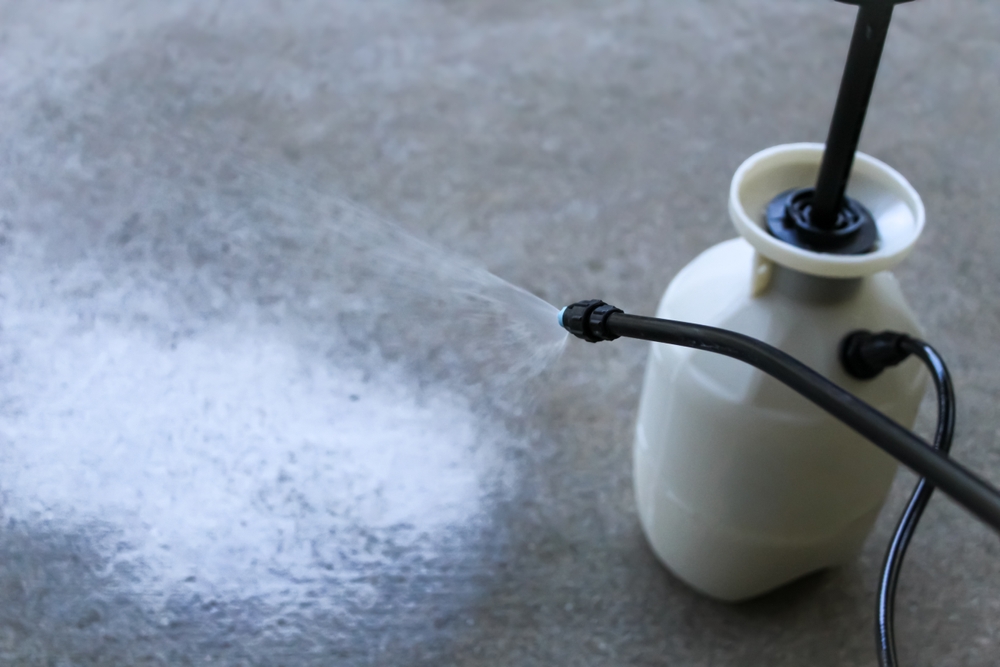
  4. Saturate an even first coat using a low-pressure sprayer, lambswool applicator, paintbrush or dipping. A pump sprayer is recommended for rough surfaces.
  5. Allow sealer to penetrate the surface for 5 – 15 minutes.
  6. Typical treatments involve 2 – 3 cycles (6-9 separation applications)
  7. Please allow 20 – 60-minute curing time between each cycle.
  8. After the final application, thoroughly wipe all excess sealer with clean and absorbent towels.
  9. If a second treatment is required, allow 2 – 3 weeks of curing time following the initial treatment.
  10. It is important that no water comes into contact with newly treated surfaces for at least 2-3 days after application.
  11. Clean tools used during application with methylated/ white spirits or solvents.

How to Apply Consolidate & Seal™

  1. Ensure the surface is clean and dry.
  2. Cover surfaces not intended to be treated.
  3. Saturate an even first coat using a sprayer, lambswool applicator or paintbrush, including under the pool coping. A pump sprayer is recommended for rough surfaces.
  4. Allow sealer to penetrate the surface for 10 – 15 minutes.
  5. The following coats should be applied evenly before the first coat is fully dry.
  6. After the final application, thoroughly wipe all excess sealer with clean and absorbent towels.
  7. A full cure is achieved in 28 days, however, can be put into service in 14 days. It is important that no water comes into contact with newly sealed surfaces for at least 2-3 days after application.
  8. Clean tools used during application with solvent.

How to Apply RockHard™

  1. Ensure the surface is clean and dry.
  2. Cover surfaces not intended to be treated.
  3. Apply an even first coat using a low-pressure sprayer or a lambswool applicator.
  4. Allow the product to penetrate the surface for 15 – 20 minutes, and thoroughly wipe off all excess with clean and absorbent towels.
  5. The second coat should be applied evenly after the initial application as directed in steps 3 – 4.
  6. After the final application, thoroughly wipe all excess with clean and absorbent towels.
  7. Should a product residue appear (white), agitate the surface with a white nylon scrubbing pad to loosen the residue.
  8. A full cure is achieved in 24 – 72 hours. Foot traffic can resume in 8 hours, driving in 24 hours.
  9. It is important that no water comes into contact with newly sealed surfaces for at least 24 hours after application.
  10. If polishing is required after treatment, continue the process of grinding, honing and polishing progressively with a finer diamond pads until high gloss finish is achieved.
  11. Clean tools used during application with water.

By following these guidelines and choosing the right products, you can preserve the beauty and durability of your outdoor stone features for years to come. Explore a range of penetrating sealers here.


Sandstone Quarries: Unveiling the Historic Extraction Sites Across Australia

From the rugged cliffs of the Blue Mountains to the sun-drenched plains of Queensland, we think you’ll agree that Australia is a land of captivating landscapes rich with history. Historic sandstone extraction sites across Australia have played a pivotal role in shaping our nation’s architectural heritage since colonisation.

At Premium Coatings, we’re passionate about the history and cultural significance of sandstone in Australia. As a leading provider of high-quality surface sealers and cleaners, we don’t just want to provide tips on how to care for sandstone; we want to delve deeper and explore the historic extraction sites where we source this beautiful natural resource.

What Makes Sandstone Appealing?

Before we dive into the fascinating world of quarries, let’s first explore the appeal of sandstone. Picture this: nature has meticulously crafted this remarkable sedimentary rock over millions of years. It’s composed of tightly compressed sand grains held together by a natural cement that gives it incredible strength and durability. It’s no wonder sandstone has become the go-to material for construction projects in Australia that stand the test of time. 

Of course, sandstone is more than just a sturdy building material; it carries a cultural significance, and its warm tones, refined textures and timeless beauty have shaped the landscapes of our cities, infusing them with a sense of heritage and grandeur. Sandstone is not just a rock; it’s a storyteller, weaving tales of our past and breathing life into our architectural dreams. Read more about the use of sandstone in iconic Australian architecture here.

The Importance of Sandstone Quarries in Australia’s History

To comprehend the full impact of sandstone on Australia’s history, we must acknowledge the crucial role played by the quarries. These extraction sites were the sources of the stone that shaped the landscape of our early colonial architecture and construction. Without the quarries, many iconic buildings and landmarks would not exist as we know them today.

The quarries contributed to the physical development of major Australian cities and provided vital economic opportunities. They created job opportunities, attracted skilled workers, boosted local businesses, and helped build vibrant centres of activity, driving growth and contributing to the development of related industries like construction and stonemasonry.

Australia’s sandstone quarries are abundant with geological and historical wonders. They offer a fascinating glimpse into the natural history of the land, revealing the incredible geological processes that took place over millions of years. Standing amidst the quarry’s walls, you can’t help but feel a deep connection to the past, including the Indigenous cultural significance of sandstone in Australia. These quarries also witnessed the remarkable human efforts and craftsmanship that have turned raw stones into awe-inspiring architectural masterpieces. They are living testaments to Australia’s rich cultural heritage and the enduring legacy of those who shaped it.

What Are the Top Sandstone Quarries in Australia?

Australia has a wealth of historic sandstone quarries, but here are two of our favourites that have played a significant role in shaping Australian architecture:

  1. Gosford Quarry, New South Wales: Nestled in the picturesque region of Gosford, this quarry holds a special place in the history of Australian sandstone. For decades, Gosford Quarry has supplied exceptional sandstone that has left an indelible mark on the architectural landscape of the region. Its distinctive sandstone, with its captivating blend of warm hues and intricate patterns, has adorned notable structures such as the Gosford Town Clock and the iconic Gosford Regional Gallery. The enduring appeal of Gosford sandstone lies in its ability to effortlessly merge with the natural surroundings, creating harmonious designs that evoke a sense of tranquillity.
  1. Helidon Sandstone Quarry, Queensland: The Helidon Sandstone Quarry is a treasure trove of rich sandstone resources used in many of Queensland’s most significant buildings. The sandstone’s range of colours, from warm ochre to vibrant reds, gives structures like the Queensland Parliament House, St. John’s Cathedral, and the University of Queensland’s Great Court its distinct appearance.

The significance of Australian sandstone quarries goes far beyond the surface. They are vibrant economic engines that support local communities and archives of geological and historical wonders that connect us to the past, making them integral to the fabric of Australia’s heritage.