
×
Order a sample

Why Every Outdoor Patio Needs a High-Quality Natural Stone Sealer

Premium Coatings Australia | Why Every Outdoor Patio Needs a High-Quality Natural Stone Sealer

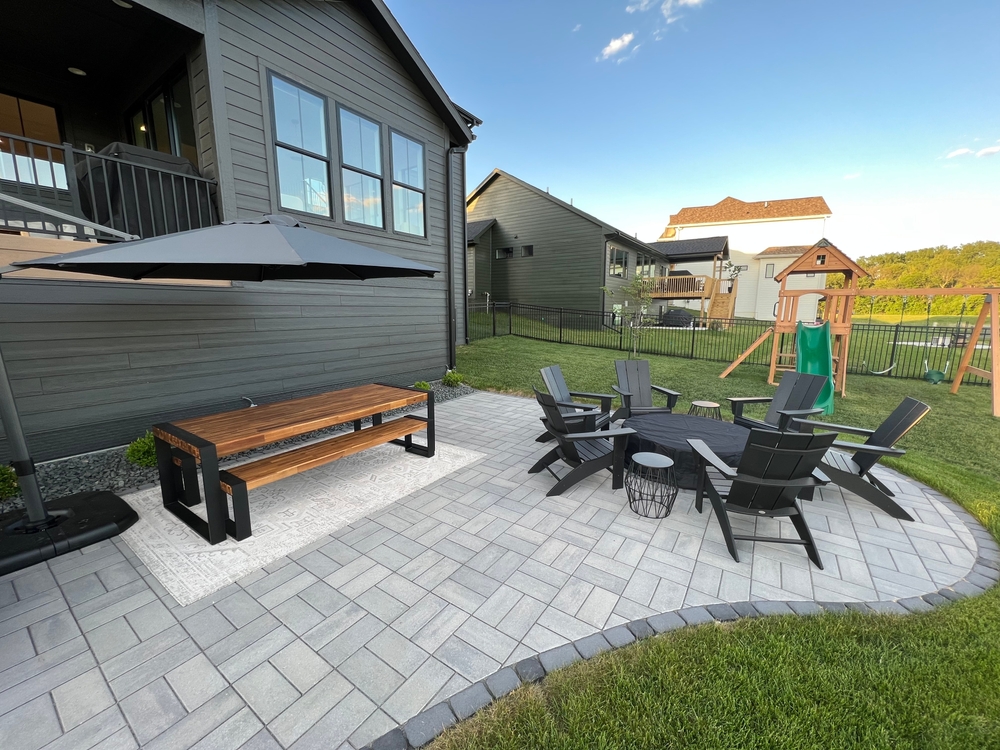
Outdoor patios are a central part of many Australian homes. Whether it’s a weekend barbecue with friends, a quiet morning coffee, or family time outdoors, patios often become one of the most used spaces in the house. Natural stone surfaces such as travertine, limestone, sandstone, and slate add a timeless and elegant look to these areas.

However, while natural stone is durable and beautiful, it is also porous and vulnerable to damage if it isn’t properly protected. Over time, exposure to the elements, spills, and everyday use can slowly wear down the surface. This is where a natural stone sealer becomes essential.

At Premium Coatings Australia, we often see patios that have lost their colour, developed stubborn stains, or suffered weather damage simply because the stone was never sealed correctly. Applying a high-quality sealer helps preserve the appearance and longevity of natural stone while making maintenance much easier.

The Nature of Natural Stone

Natural stone is formed over thousands of years through geological processes. While this makes each slab unique and visually appealing, it also means the material contains tiny pores and capillaries.

These pores can absorb:

  • Water
  • Dirt
  • Oils
  • Food and drink spills
  • Organic matter such as leaves

Once absorbed, these substances can cause stains, discolouration, and even structural deterioration over time. Without protection, outdoor stone surfaces may gradually lose their original appearance.

A natural stone sealer works by creating a protective barrier that reduces absorption while allowing the stone to breathe.

Why Outdoor Patios Are Especially Vulnerable

Indoor stone flooring is generally easier to maintain because it is protected from harsh environmental conditions. Outdoor patios, on the other hand, face a much tougher environment.

In Australia, outdoor surfaces regularly deal with:

  • Intense sunlight
  • Heavy rain
  • Temperature fluctuations
  • Dirt and debris
  • Barbecue grease and food spills
  • Garden chemicals

These factors can slowly degrade natural stone. Moisture can penetrate the surface, stains can set in, and repeated exposure to UV rays may cause fading.

A properly applied natural stone sealer helps shield the surface from these challenges.

Preventing Stains Before They Happen

One of the most common problems homeowners face with natural stone patios is staining. Barbecue sauces, wine, cooking oils and even fallen leaves can leave marks that are difficult to remove.

Because stone is porous, these substances can seep below the surface, making stains permanent if not addressed quickly.

Sealing the stone dramatically reduces this risk. Instead of soaking in, liquids remain on the surface long enough to be wiped away. This simple layer of protection can save homeowners considerable time and effort in cleaning.

Protecting Against Moisture Damage

Water may seem harmless, but it can cause serious problems for untreated stone.

Moisture that penetrates stone surfaces can lead to:

  • Efflorescence (white powdery deposits)
  • Surface erosion
  • Mould or mildew growth
  • Structural weakening

During cooler months, trapped moisture can even expand and contract, which may cause cracking or flaking.

A high-quality natural stone sealer helps prevent water from penetrating deeply into the stone while still allowing vapour to escape. This balance is important for maintaining the stone’s structural integrity.

Maintaining the Natural Look of Your Patio

Many homeowners choose natural stone because of its rich colour variations and organic textures. Unfortunately, exposure to the elements can dull these features over time.

Sealing helps preserve the natural beauty of stone by protecting it from dirt accumulation and weather damage. Some sealers also enhance the stone’s colour, giving it a subtle depth that highlights the natural patterns within the surface.

At Premium Coatings Australia, we often recommend sealers that maintain a natural finish while still providing strong protection.

Easier Cleaning and Maintenance

Another major benefit of sealing natural stone is the reduction in maintenance.

Without a protective layer, dirt and grime can settle into the pores of the stone, making it difficult to clean. Homeowners may find themselves scrubbing frequently or using harsh chemicals.

When a natural stone sealer is applied correctly, most dirt stays on the surface. This means patios can often be cleaned with simple methods such as:

  • Sweeping
  • Light pressure washing
  • Mild cleaning solutions

The result is a patio that stays looking fresh with minimal effort.

Extending the Lifespan of Your Patio

Natural stone patios are an investment. Quality materials and installation can cost thousands of dollars, so protecting that investment makes sense.

Sealing the stone helps prevent premature wear and deterioration. By reducing moisture penetration, staining and erosion, the surface remains stronger for longer.

Over time, this can significantly extend the lifespan of the patio, saving homeowners the expense of major repairs or replacements.

Choosing the Right Natural Stone Sealer

Not all sealers are the same. Selecting the right product depends on several factors, including the type of stone and the conditions the patio faces.

Some key considerations include:

  • Stone type (travertine, sandstone, slate, etc.)
  • Level of exposure to sunlight and rain
  • Desired finish (natural look or colour-enhancing)
  • Slip resistance requirements
  • Frequency of patio use

Professional advice is often valuable when selecting a sealer to ensure the best long-term performance.

How Often Should Stone Be Sealed?

Sealing is not a one-time process. Over time, the protective layer gradually wears away due to weather and foot traffic.

Most outdoor patios should be resealed every few years, although the exact timeframe depends on:

  • The quality of the sealer used
  • The type of stone
  • Environmental conditions
  • Amount of use

Regular inspections can help determine when resealing is needed.

Professional Application Makes a Difference

While some homeowners attempt to seal stone themselves, professional application often delivers better results.

Experienced specialists understand how to:

  • Prepare the stone surface correctly
  • Choose the appropriate sealer
  • Apply the product evenly
  • Ensure proper curing time

At Premium Coatings Australia, we take a careful approach to sealing natural stone, ensuring each surface receives the protection it needs.

Proper preparation and application are essential for achieving long-lasting results.

Adding Value to Your Outdoor Space

A well-maintained patio not only looks better but also adds value to your property. Outdoor living areas are a key feature in Australian homes, and buyers often notice the condition of exterior surfaces.

Outdoor patios are meant to be enjoyed, not constantly repaired or cleaned. By applying a high-quality natural stone sealer, homeowners can protect their stone surfaces from the challenges of the Australian climate while preserving the beauty that makes natural stone so appealing.

With the right care and protection from Premium Coatings Australia, your patio can remain a durable, attractive outdoor space for many years to come.

Benefits of Using a High-Quality Surface Sealer in Commercial Spaces

Commercial spaces endure far more wear and tear than residential environments. From constant foot traffic and heavy machinery to spills, weather exposure, and strict hygiene requirements, surfaces in commercial properties must perform under pressure. This is where a high-quality surface sealer becomes an essential investment rather than an optional extra.

Whether you manage an office building, warehouse, retail store, car park, hospitality venue, or industrial facility, protecting your floors and surfaces can save significant time and money in the long run. In this article, we’ll explore the key benefits of using a professional-grade surface sealer in commercial spaces and why partnering with an experienced provider like Premium Coatings Australia makes all the difference.

What Is a Surface Sealer?

A surface sealer is a protective coating applied to materials such as concrete, stone, tiles, and masonry. Its purpose is to shield the surface from moisture, stains, chemicals, abrasion, and UV damage while enhancing durability and appearance.

Unlike low-grade sealers or DIY products, a high-quality surface sealer penetrates deeply or forms a robust protective layer that withstands the demands of commercial environments. Professional application ensures consistent coverage, optimal bonding, and long-lasting performance.=

1. Enhanced Durability and Longevity

One of the most significant benefits of using a surface sealer in commercial spaces is increased durability. Unsealed surfaces are vulnerable to cracking, chipping, erosion, and surface breakdown, especially concrete, which is naturally porous.

A high-quality surface sealer:

  • Reduces surface wear from foot traffic and equipment
  • Prevents moisture ingress that leads to cracking and spalling
  • Protects against chemical exposure, oils, and spills

By extending the lifespan of your floors and surfaces, sealing helps delay costly repairs or replacements. Over time, this translates to substantial savings for business owners and facility managers.

2. Improved Safety in High-Traffic Areas

Safety is a top priority in any commercial setting. Slips, trips, and falls can result in injuries, liability claims, and operational disruptions.

Surface sealers can improve safety by:

  • Providing slip-resistant finishes where required
  • Reducing surface dusting, especially in concrete floors
  • Making surfaces easier to clean and maintain hygienically

In industries such as hospitality, healthcare, retail, and manufacturing, maintaining safe flooring is not just good practice, it’s often a compliance requirement.

3. Easier Cleaning and Lower Maintenance Costs

Unsealed surfaces absorb dirt, liquids, and contaminants, making cleaning more difficult and time-consuming. This is particularly problematic in commercial spaces that require frequent cleaning to meet hygiene standards.

A sealed surface:

  • Resists stains and spills
  • Prevents grime from penetrating the material
  • Allows for quicker, more effective cleaning

With a high-quality surface sealer, routine maintenance becomes simpler and less labour-intensive. Over time, this reduces cleaning costs and minimises downtime for your business.

4. Protection Against Moisture and Chemical Damage

Moisture is one of the biggest threats to commercial flooring and surfaces. In areas such as car parks, warehouses, food preparation zones, and outdoor commercial spaces, exposure to water, oils, and chemicals is unavoidable.

A professional surface sealer provides:

  • Moisture resistance to prevent mould and structural damage
  • Protection against oils, fuels, and harsh cleaning chemicals
  • Increased resistance to salt and environmental contaminants

This level of protection is especially important in Australia’s varied climate, where surfaces can be exposed to humidity, heavy rainfall, and extreme temperatures.

5. Enhanced Appearance and Professional Finish

First impressions matter especially in commercial environments where clients, customers, and staff interact with your space daily. A well-sealed surface looks cleaner, more polished, and more professional.

Depending on the type of surface sealer used, you can achieve:

  • A natural matte finish
  • A satin or gloss appearance
  • Enhanced colour depth and consistency

High-quality surface sealing helps maintain a fresh, well-maintained look that reflects positively on your brand and business.

6. Cost-Effective Investment for Commercial Properties

While some businesses may hesitate at the upfront cost of professional surface sealing, it is a highly cost-effective investment over time.

By using a high-quality surface sealer, you:

  • Reduce repair and resurfacing expenses
  • Extend the life of existing surfaces
  • Lower ongoing maintenance and cleaning costs

When applied correctly by experienced professionals, surface sealing delivers long-term value and peace of mind.

7. Suitable for a Wide Range of Commercial Applications

Surface sealers are incredibly versatile and can be tailored to suit different industries and environments, including:

  • Office buildings and corporate spaces
  • Retail shops and shopping centres
  • Warehouses and industrial facilities
  • Hospitality venues and commercial kitchens
  • Car parks and outdoor commercial areas

At Premium Coatings Australia, surface sealing solutions are customised to suit the specific needs of each commercial space, ensuring optimal performance and compliance.

Why Choose Premium Coatings Australia for Surface Sealing?

Not all surface sealers and not all applicators are created equal. The effectiveness of a surface sealer depends heavily on product quality, surface preparation, and professional application.

Premium Coatings Australia offers:

  • Industry-grade surface sealing solutions
  • Experienced technicians with commercial expertise
  • Tailored recommendations based on surface type and usage
  • Reliable results that meet Australian standards

Learn more about our professional Surface Sealing services and how we can protect your commercial property for the long term.

Get Expert Advice for Your Commercial Space

If you’re considering surface sealing for your commercial property, expert guidance can make all the difference. Choosing the right sealer and application method ensures maximum durability, safety, and return on investment.

For personalised advice or to request a quote, Contact Us and speak with the team at Premium Coatings today.

Wet Look Brick Sealer vs. Natural Look Finishes: Which Is Best?

Premium Coatings Australia | Wet Look Brick Sealer vs. Natural Look Finishes: Which Is Best?

Bricks are not just structural elements; they also contribute to a building’s visual appeal. Whether you’re protecting a newly built wall or restoring an older one, the type of sealer you choose can dramatically impact both appearance and performance.

The Purpose of Brick Sealers

Before diving into finish types, it’s essential to understand what brick sealers do. These products create a protective barrier over brick and masonry surfaces, guarding against:

  • Water penetration
  • Efflorescence
  • Staining from dirt, oil, and pollutants
  • Freeze-thaw damage
  • UV degradation

Some sealers also enhance the colour or texture of bricks, improving their appearance while adding protection.

What Is a Wet Look Brick Sealer?

A wet-look brick sealer is a type of sealer designed to deepen the natural colour of bricks, making them appear as though they are freshly washed or damp, hence the name. This glossy or natural look finish gives surfaces a rich, darkened appearance.

  • Enhances colour vibrancy and texture
  • Adds a glossy or semi-gloss finish
  • Often includes UV and water resistance
  • Can darken the surface slightly
  • Suitable for driveways, patios, garden walls, or interior feature walls

What Is a Natural Look finish Sealer?

A natural look finish brick sealer provides protection without changing the natural appearance of the bricks. It preserves the original tone and texture while delivering the same protective qualities.

Key Features:

  • Natural, non-glossy finish
  • Invisible once applied
  • Ideal for heritage or traditional homes
  • Prevents water absorption without altering aesthetics
    Often preferred for interior spaces or minimalistic design preferences

Natural look finishes offer a discreet solution for clients who want function without a visual shift in material finish.

Wet Look Brick Sealer vs. Natural look finish 

Feature Wet Look Brick Sealer Natural look Finish Sealer
Appearance Glossy or gloss finish Natural, no shine
Colour Enhancement Yes, darkens and enriches No, maintains original tone
UV Protection Often included Often included
Water Resistance Excellent Excellent
Surface Darkening Yes No
Ideal Applications Driveways, patios, and feature walls Heritage homes, subtle finishes
Maintenance Frequency Medium to low Low

Long-Term Durability

Both types of sealers are built for durability, but product quality and application method matter. Regardless of the finish, brick sealers typically last 3 to 5 years, depending on:

  • Weather conditions
  • Surface preparation
  • Traffic or usage levels

Premium Coatings recommends proper surface cleaning before application and routine checks to maintain effectiveness over time.

Conclusion

The choice between a wet-look brick sealer and a natural look finish depends on your desired appearance, environmental exposure, and functional requirements. Wet-look finishes enhance colour and shine, ideal for showcasing architectural features. Natural look finishes provide subtle, invisible protection that suits heritage or minimalist styles.

Both options protect bricks from moisture, dirt, and environmental damage, preserving beauty and extending surface life. If you’re unsure which finish fits your needs, expert guidance ensures your investment delivers long-term value.

Contact the Experts

Ready to enhance your brick surfaces? Contact Premium Coatings Australia today for advice on choosing the right brick sealer for your project.

Paver Sealer Products to Protect Outdoor Surfaces in Australia

Premium Coatings Australia | Top 5 Advantages of Water-Based Penetrating Sealers for Your Next Home Project

Outdoor areas are a huge part of Australian homes and commercial properties. From patios and driveways to pool surrounds and garden pathways, pavers are a popular choice thanks to their durability and visual appeal. But without protection, outdoor pavers can lose their beauty over time due to exposure to harsh sunlight, rain, stains and heavy use.

That’s where paver sealer products come in. At Premium Coatings Australia, we provide specialised sealers designed to protect and enhance outdoor surfaces across Australia, helping them look better and last longer.

Why Use Paver Sealer Products?

Sealing your pavers is more than just a finishing touch — it’s a way to extend their life and preserve their aesthetic. Here are the main benefits:

  • Protection from Stains – Sealing prevents oil, dirt and spills from penetrating the paver surface.
  • Weather Resistance – UV rays, heavy rains and temperature changes can wear down pavers. A sealer creates a strong barrier.
  • Enhanced Colour and FinishSealers bring out the natural tones of your pavers, giving them a vibrant and polished look.
  • Reduced Maintenance – With sealed pavers, cleaning becomes easier and faster.
  • Longevity – Properly sealed pavers are less prone to cracking, fading or erosion.


Types of Paver Sealer Products

At Premium Coatings, we understand that not all pavers are the same. That’s why we offer a range of paver sealer products in Australia to suit different surfaces and preferences.


Type of Sealer Best For Key Benefits
Water-Based Sealers Homeowners looking for eco-friendly protection Low odour, quick drying, safe for family and pets
Solvent-Based Sealers High-traffic areas and commercial projects Deep penetration, long-lasting finish, strong protection
Gloss/Enhancing Sealers Decorative pavers or feature areas Enhances colour, adds sheen, improves curb appeal
Natural Look Sealers Customers who want protection without shine Invisible finish, maintains original look, UV stable


How to Apply Paver Sealer Products

Applying paver sealer is a straightforward process when done correctly. Here’s a simple guide:

  1. Clean the Surface Thoroughly – Remove dirt, moss, oil or previous coatings.
  2. Allow Drying Time – Ensure the pavers are completely dry before sealing.
  3. Choose the Right Sealer – Select a product suitable for your paver type and usage area.
  4. Apply Evenly – Use a sprayer, roller or brush for even coverage.
  5. Allow to dry– Give the surface enough time to dry before walking or driving on it.

For best results, many Australian homeowners and contractors trust Premium Coatings Australia’s professional-grade sealers for their durability and ease of use.

Protecting your outdoor surfaces doesn’t have to be complicated. With the right paver sealer products from Premium Coatings Australia, you can preserve your pavers, enhance their natural beauty and enjoy a low-maintenance outdoor space.

If you’re ready to give your pavers the protection they deserve, explore our full range of paver sealer products in Australia today.

Stone Paver Sealer Application Tips for Lasting Protection

Stone pavers add natural charm and durability to outdoor spaces such as patios, driveways, and walkways. However, exposure to weather, foot traffic, and stains can gradually degrade their appearance and structural integrity. Applying a high-quality stone paver sealer is essential for protecting these surfaces from damage, enhancing colour, and making maintenance easier.

Understanding the correct stone paver sealer application process can extend the life of your investment and ensure that your pavers remain protected for years. Whether you are a homeowner or a DIY enthusiast, mastering key techniques and using the right product will help you achieve professional-grade protection right at home. 

Why Use a Stone Paver Sealer?

Stone pavers are porous by nature, which means they absorb water, oils, and dirt. Over time, this absorption can cause staining, efflorescence, and freeze-thaw damage in colder climates. Using a stone paver sealer provides multiple benefits:

  • Water Repellency: Prevents water penetration, which can lead to cracking or moss growth.
  • Stain Protection: Reduces the risk of oil, grease, and food stains soaking into the surface.
  • Colour Enhancement: Restores and deepens the natural tones of the stone.
  • Ease of Cleaning: Makes the surface easier to maintain by repelling dirt and grime.
  • Longevity: Extends the lifespan of the pavers by shielding them from environmental wear.

Selecting the right sealer type and applying it properly ensures these advantages are maximised.

Types of Stone Paver Sealers

Before starting the application, it’s important to understand the main types of sealers available and their characteristics:

Sealer Type Description Benefits Ideal Use
Penetrating Sealers Absorbs into the paver, forming a protective barrier within pores Allows natural look and breathability Porous natural stones
Film-Forming Sealers Creates a protective film on the surface High gloss finish, enhances colour Concrete and dense stones
Enhancing Sealers Deepens stone colour and gives a matte wet look finish Aesthetic improvement with protection Decorative patios, pathways

Choosing the correct sealer depends on the stone type, location, and desired finish. For example, sandstone and limestone benefit greatly from penetrating sealers, while concrete pavers often use film-forming types.

Step-by-Step Stone Paver Sealer Application Guide

Applying sealer correctly will maximise protection and appearance. Here’s a professional-grade method you can follow at home:

Step 1: Gather Materials and Tools

  • Stone paver sealer (penetrating or film-forming, depending on your surface)
  • Paint roller or sprayer
  • Paintbrush for edges and corners
  • Protective gloves and eyewear
  • Clean cloths or sponges

Step 2: Apply the First Coat

Apply the sealer evenly using a roller or sprayer. For penetrating sealers, work in small sections allowing the product to absorb. Avoid puddling or thick layers that can cause streaking or bubbling.

Step 3: Wait for the Recommended Drying Time

Refer to the product instructions for drying time, usually 24 hours. Ensure the area remains dry and avoid foot traffic during this time.

Step 4: Apply a Second Coat

Sealers require a second coat for full protection, especially film-forming types. Apply the second layer perpendicular to the first for even coverage.

Step 5: Final Curing

Allow the sealer to cure completely, which can take up to 48 hours depending on the product and weather conditions. Avoid heavy use of the area until fully cured.

Why Choose Professional Grade Products?

While DIY is possible, using premium products ensures better results. Premium Coatings Australia offers specialist stone paver sealers formulated to withstand Australian conditions, providing deep penetration and a durable finish. Professional-grade sealers improve resistance to UV damage, moisture, and wear, giving peace of mind that your outdoor surfaces are well protected.

Applying a stone paver sealer is a practical way to enhance and protect your outdoor stone surfaces, preserving their appearance and durability for years. Proper surface preparation, choosing the right sealer, and following careful application steps are essential to achieve a professional-grade finish at home. Regular maintenance and timely resealing will maximise the lifespan and performance of your stone pavers.

If you have questions about choosing the right sealer or want to explore professional options, feel free to contact us for expert advice tailored to your needs. Taking the time to protect your stone pavers today ensures your outdoor areas stay beautiful and functional well into the future.

Signs Your Driveway or Floor Needs Resealing

Premium Coatings Australia | Signs Your Driveway or Floor Needs Resealing

At Premium Coatings Australia, we understand that concrete is one of the toughest materials used in driveways and floors. However, even the most durable concrete needs the right protection to maintain its strength and appearance. Over time, exposure to sunlight, moisture, and daily wear can wear down your concrete sealer, making the surface more vulnerable to damage.

Why Concrete Sealing Matters

A high-quality concrete sealer forms a barrier that shields the surface from water, oil, stains, and surface erosion. Without it, your concrete becomes porous and prone to cracks, fading, and moisture intrusion. Resealing helps extend the life of your driveway or floor and keeps maintenance cost-effective and straightforward.

Common Signs Your Concrete Needs Resealing

Sign Cause Recommended Action
Surface looks dull or faded UV exposure and wear over time Apply a fresh coat of concrete sealer
Water soaks in rather than beads The sealer has worn away Reseal to restore protection
Cracks or chips appearing Moisture and surface stress Repair and reseal to prevent further damage
Stains that don’t clean easily Lost surface barrier Clean and reseal to prevent absorption
Peeling or flaking sealer Age or incorrect previous application Strip and reseal using a compatible sealer


Fading or Dull Appearance

If your driveway or floor has lost its colour or looks uneven, the sealer has likely deteriorated. Sun exposure and frequent use can wear away the protective layer. Resealing helps restore the surface’s original look and adds a renewed defence against the elements.

Water Absorption

One of the simplest tests you can do is pour a small amount of water onto the surface. If it absorbs quickly rather than forming droplets, it’s a sign that the concrete sealer has worn off. Water penetration can cause internal damage over time, so resealing is strongly recommended.

Visible Cracks or Erosion

Cracks may start as minor hairlines but can quickly expand. Once moisture seeps into concrete, it can cause severe structural damage. Regular resealing fills surface pores and prevents moisture from entering, protecting the integrity of the surface.

Increased Staining

If oil, dirt, or grease stains set in faster, your concrete may have lost its protective layer. A fresh sealer application helps create a smooth, non-porous finish that resists staining and makes cleaning much easier.

Flaking or Peeling Sealer

Peeling or flaking often occurs when the old sealer is incompatible with the new coat or was applied on a damp surface. Staying off the old coating and applying a new sealer correctly is best to achieve long-lasting results.

How Often Should You Reseal Concrete?

The ideal resealing schedule depends on traffic levels, exposure, and the type of sealer used. As a general guideline:

  • Driveways: Every 2–3 years
  • Garage floors: Every 3–4 years
  • Outdoor patios or pool areas: Every 2–3 years

Routine yearly checks can help you identify early signs of wear before the surface deteriorates.

Choosing the Right Concrete Sealer

At Premium Coatings Australia, we supply a range of professional-grade sealers designed for different applications. Choosing the right product ensures lasting protection and enhances the appearance of your concrete surface.

  • Penetrating Sealers: Best for outdoor use and protection against moisture and UV rays.
  • Acrylic Sealers: Add a decorative sheen to coloured or concrete.

Each type offers distinct benefits, and selecting the right one depends on your specific surface and conditions.

Your concrete surfaces work hard every day. Resealing them at the right time keeps them looking great and performing well for years. Regular maintenance with a reliable concrete sealer is one of the simplest ways to protect your investment and avoid costly repairs.

If you’re unsure whether your driveway or floor needs resealing, Premium Coatings Australia can help you select the right product for lasting results.


Concrete Sealing 101: Expert Tips for Long-Lasting Protection

Premium Coatings Australia | Guide To Maintaining Your Polished Concrete Floors

Concrete is a durable and versatile material, but exposure to harsh weather, chemicals, and foot traffic can wear it down over time. Applying a concrete sealer is the key to preserving its strength, appearance, and longevity. This guide will walk you through the essentials of concrete sealing, from selecting the right sealer to expert application techniques for long-lasting protection.

Why Is Concrete Sealing Important?

Concrete surfaces— driveways, patios, or industrial floors—face constant exposure to elements that lead to deterioration. Sealing concrete offers multiple benefits:

  • Enhances Durability: Protects against moisture, chemicals, and abrasion.
  • Prevents Cracking and Spalling: Reduces damage from freeze-thaw cycles.
  • Resists Stains: Shields against oil, grease, and other spills.
  • Improves Aesthetic Appeal: Enhances colour and prevents fading.
  • Reduces Maintenance Costs: Minimises repairs and replacements over time.

Types of Concrete Sealers

Choosing the right concrete sealer is crucial for achieving the best results. Here are the main types:

Type Best For Pros Cons
Penetrating Sealers Outdoor concrete, driveways, sidewalks Long-lasting, UV-resistant, protects from moisture Doesn’t enhance surface appearance
Acrylic Sealers Decorative concrete, stamped concrete Enhances colour, quick drying, and affordable Requires more frequent reapplications 
Epoxy Sealers Garage floors, industrial spaces High durability, chemical-resistant, glossy finish Can be slippery when wet, may yellow under UV exposure
Polyurethane Sealers High-traffic areas, countertops Superior protection, available in different finishes More expensive, longer curing time

Expert Tips for Applying Concrete Sealer

To ensure maximum effectiveness and longevity, follow these expert tips when applying a concrete sealer:

1. Choose the Right Time and Weather Conditions

  • Apply sealers when temperatures are between 50-80°F (10-27°C).
  • Avoid sealing in direct sunlight or when rain is expected within 24 hours.

2. Prepare the Surface Thoroughly

  • Clean the surface using a pressure washer or a degreaser.
  • Repair cracks or damage before sealing.
  • Allow the concrete to dry completely before application.

3. Apply the Sealer Correctly

  • Use a roller, sprayer, or brush depending on the type of sealer.
  • Apply thin, even coats to prevent bubbles or streaks.
  • Allow proper drying time before adding a second coat (if required).

4. Ensure Proper Ventilation

  • If sealing indoor concrete, ensure good airflow to prevent inhaling fumes.
  • Use protective gear, including gloves and masks, when working with sealers.

5. Maintain the Sealed Concrete

  • Regularly clean the surface using mild soap and water.
  • Avoid harsh chemicals that can degrade the sealer.
  • Reapply sealer as recommended (every 1-5 years, depending on the type and surface).

Common Mistakes to Avoid When Sealing Concrete

  • Skipping Surface Preparation: Dirt and moisture can prevent proper adhesion.
  • Applying Too Much Sealer: Thick layers take longer to cure and may become cloudy.
  • Ignoring Manufacturer Instructions: Different sealers have unique requirements.
  • Not Allowing Proper Curing Time: Walking or driving on sealed concrete too soon can damage the finish.

How Long Does Concrete Sealer Last?

The lifespan of a concrete sealer depends on several factors, including the type of sealer used, the level of foot or vehicle traffic, and exposure to the elements.

  • Penetrating sealers: Last 5-10 years.
  • Acrylic sealers: Last 1-3 years.

Regular maintenance and reapplication when needed will keep your concrete looking and performing its best.

Final Thoughts

Applying a concrete sealer is an essential step in preserving and protecting concrete surfaces. Whether you’re sealing a driveway, patio, or commercial floor, choosing the right sealer and following expert application techniques will ensure long-lasting results. Regular maintenance and reapplication will keep your concrete looking great for years to come.

For high-quality concrete sealing solutions, visit Premium Coatings Australia today. Explore our range of professional-grade sealers to protect and enhance your concrete surfaces.


Paver Sealers 101: Why It’s a Must-Have for Outdoor Protection

Premium Coatings Australia | Paver Sealers 101: Why It’s a Must-Have for Outdoor Protection

If you’ve invested in a beautiful outdoor area featuring pavers, the next step is protecting that investment. Whether it’s a driveway, patio, pool surround, or pathway, pavers are constantly exposed to the harsh Australian climate, sun, rain, dirt, and even salt. This is where a high-quality paver sealer from Premium Coatings Australia comes into play.

But what exactly is a paver sealer, and why is it so important? In this guide, we’ll explore everything you need to know to preserve the longevity and appearance of your outdoor surfaces.

What Is a Paver Sealer?

A paver sealer is a protective coating applied to concrete, brick, natural stone, or clay pavers. It forms a barrier that helps repel water, oil, dirt, UV rays, and stains. Sealers can enhance the look of the surface, either by giving it a glossy finish or maintaining its natural appearance, while also making it easier to clean and maintain.

There are generally two types of paver sealers:

  • Penetrating sealers: Soak into the pores of the material and provide invisible protection.
  • Film-forming sealers: Create a protective layer on top of the surface, often with a wet or glossy look.

Both types have their benefits, depending on your preference and the type of pavers you have.


Why You Need a Paver Sealer

You might think your pavers are tough enough to handle the elements, and they probably are, for a while. But over time, unsealed pavers become vulnerable to several damaging factors:

1. Weather Damage

Australia’s UV radiation is among the strongest in the world. Without protection, prolonged exposure to sunlight can cause pavers to fade and deteriorate. Rain and moisture can also lead to erosion, algae, and even structural damage over time.

2. Stain Resistance

Pavers near barbecues, pool areas, or driveways are especially prone to oil, grease, or wine stains. A quality paver sealer is a barrier that prevents these substances from soaking into the surface.

3. Efflorescence Prevention

Ever noticed a white, chalky residue forming on pavers? That’s efflorescence, caused by water-soluble salts surfacing through the material. A paver sealer helps minimise this by reducing water absorption.

4. Mould and Mildew Control

Sealing inhibits the growth of mould, mildew, and moss, especially in shaded or damp areas. Not only does this improve aesthetics, but it also reduces slip hazards.

5. Enhances Appearance

Some paver sealers deepen colour and create a “wet look,” which can dramatically enhance curb appeal. Others provide a matte finish that preserves the natural tone.

6. Improves Longevity

With proper sealing, the life of your pavers can be extended significantly. It helps prevent cracking, chipping, and shifting caused by water infiltration or freeze-thaw cycles in cooler regions.

When Should You Seal Your Pavers?

The ideal time to apply a paver sealer is about 4–6 weeks after installation, once the surface has fully settled and dried. However, older pavers can still benefit from sealing, as long as they’re properly cleaned first.

You’ll want to reseal every 2–4 years, depending on the type of sealer used and the wear and tear on the area. High-traffic zones or areas exposed to extreme conditions may need more frequent attention.

Choosing the Right Paver Sealer

Premium Coatings Australia offers a range of high-performance paver sealers designed for Australian conditions. Here’s how to choose the best one:

  • For a Natural Look: Choose a penetrating, water-based sealer.
    For Colour Enhancement: Opt for a solvent-based or acrylic film-forming sealer that adds depth and shine.
  • For Slip Resistance: Look for non-slip additives if using on external steep surfaces or walkways.
    For Environmental Safety: Choose low-VOC, eco-friendly options. Premium Coatings Australia (PCA) products are supported by VOC compliance certification aligned with the requirements and guidelines of the Green Building Council of Australia, helping ensure your project meets recognised environmental standards.

Sealing your pavers isn’t just about aesthetics, it’s a wise, long-term investment in the health and durability of your outdoor surfaces. From protecting against harsh UV rays to preventing stains, moisture damage, and wear, a paver sealer ensures your patio, driveway, or pool area stays looking its best for years to come.

At Premium Coatings Australia, we offer a range of professional-grade paver sealers formulated to withstand Australia’s tough environmental conditions. Ready to extend the life and beauty of your pavers? Contact Premium Coatings Australia today to find the perfect paver sealer for your project.


Is Your Outdoor Space at Risk Without a Stone Paver Sealer?

Premium Coatings Australia | What Is Stone Soap?

Your outdoor space is more than just a backyard; it’s an investment in lifestyle, aesthetics, and property value. However, while many spend thousands on high-end pavers, landscaping, and furniture, one essential element is often overlooked: a quality stone paver sealer.

In this article, we examine why sealing your pavers is not just an optional upgrade but a crucial layer of protection. From safeguarding against Australia’s harsh climate to preventing irreversible stains and surface erosion, the right sealer could be the difference between long-lasting beauty and costly repairs.

What is a Stone Paver Sealer?

A stone paver sealer is a protective coating applied to natural stone, concrete, or brick pavers to shield them from water absorption, staining, fading, mould growth, and surface wear. Stone is naturally porous. Without sealing, your pavers soak up water, oils, dirt, and other contaminants, leading to damage, discolouration, and structural issues over time. Sealers act as an invisible barrier, maintaining the stone’s appearance while extending its life.

Types of Stone Paver Sealers

Sealer Type Description Best For
Penetrating Sealers Soak into the stone to repel moisture and stains from within All natural stone including: Sandstone, limestone, granite
Surface (Topical) Sealers Form a film on top of the stone for enhanced shine and protection Slate, concrete, decorative pavers
Natural Look Sealers Provide protection without altering the appearance Minimalist outdoor designs
Enhancing Sealers Deepen colour tones for a “wet look” finish Decorative patios, feature areas

Explore Premium Coatings’ full range of sandstone sealers and paver protection solutions.

What Happens if You Don’t Use a Stone Paver Sealer?

Neglecting to seal your stone pavers can have long-term consequences, some of which may not be visible until it’s too late.

Water Damage and Erosion

Unsealed pavers absorb rainwater, pool water, and garden runoff. Over time, this causes erosion, cracks, and surface pitting. In regions with high rainfall or humidity, water damage is the number one cause of stone degradation.

Stains from Oil, Food, or Pets

If it’s BBQ grease, red wine, or pet urine, stone will absorb it if unsealed. Many stains become permanent if not addressed early.

Fading and UV Damage

Australia’s intense UV rays can bleach the colour out of natural stone. A good UV-stabilised sealer prevents discolouration.

Mould and Algae Growth

Moisture-soaked pavers create the perfect breeding ground for mould and algae, leading to slippery surfaces and unhealthy air quality.

Weeds and Ants

Gaps between unsealed pavers allow weeds and ants to nest, ruining the uniform look and creating maintenance headaches.

When Should You Seal Your Stone Pavers?

The best time to seal your pavers is immediately after installation and curing has occurred. However, older pavers can also be cleaned and sealed. Here’s a simple guide:

Condition Recommended Action
Newly Installed Pavers Wait 4–6 weeks for curing, then seal
Previously Sealed Pavers Re-seal every 2–5 years, depending on exposure & maintenance 
Stained or Mouldy Pavers Clean thoroughly, allow to dry, then apply sealer

Common Myths About Stone Paver Sealing

Myth 1: “Natural stone doesn’t need sealing.”

Even the hardest stones, like granite can stain or erode over time without proper protection.

Myth 2: “Sealers make surfaces slippery.”

Most modern sealers are slip-resistant. Choose the right finish to maintain traction.

Myth 3: “Sealing is expensive.”

In reality, sealing is far more affordable than replacing pavers or deep stain removal.

Is Your Outdoor Space at Risk?

In short: yes, if your pavers aren’t sealed, they’re at risk of water damage, stains, fading, and structural failure.

Stone paver sealing is not just a protective measure; it’s an investment in the longevity and beauty of your home. Whether you’re upgrading your patio, pool area, driveway, or garden path, don’t leave your hard work exposed to the elements.

What Happens If You Don’t Seal Your Slate or Terracotta Tiles?

Premium Coatings Australia | What Happens If You Don’t Seal Your Slate or Terracotta Tiles?

Natural stone and clay tiles, like slate and terracotta, are beloved for their rustic charm and timeless aesthetic. These materials have adorned Australian homes for generations and are used indoors and outdoors. But while they are durable and beautiful, they are also porous, which makes sealing them essential. If left unsealed, these surfaces can suffer damage that’s not only unsightly but also costly to repair.

Understanding Slate and Terracotta: Natural but Vulnerable

Both slate and terracotta are naturally occurring materials, with unique qualities:

Tile Type Material Type Porosity Common Usage
Slate Natural Stone High Indoor & Outdoor Flooring, Patios
Terracotta Fired Clay Very High Floors, Walls, Roofs, Courtyards

While these tiles offer aesthetic appeal and are environmentally friendly, their porous nature makes them vulnerable to:

  • Water absorption
  • Staining
  • Cracking due to weather fluctuations
  • Mould and mildew growth

That’s where sealing plays a crucial role.

The Role of a Slate Sealer: What Does It Actually Do?

A slate sealer or terracotta tile sealer works by penetrating the surface of the tile and forming a protective barrier that repels moisture, oil, and other contaminants.

There are two main types of sealers:

  • Penetrating Sealers: Absorb into the tile to provide protection from within while retaining a natural look.
  • Surface Sealers: Sit on top of the tile and often enhance the colour or sheen of the tile.

What Happens If You Don’t Seal Your Slate or Terracotta Tiles?

Skipping the sealing process might seem like a minor oversight, but it can lead to major problems down the line. Here’s what you risk:

Permanent Staining

Unsealed tiles easily absorb oils, wine, coffee, and even muddy water. Once these substances penetrate the tile, removing the stains can be nearly impossible.

Example:
A simple kitchen spill or barbecue grease on an outdoor patio can seep into unsealed slate or terracotta tiles within seconds, leaving an unsightly mark that no amount of scrubbing can remove.

Water Damage and Efflorescence

Without a sealer, water can infiltrate your tiles. Over time, this leads to:

  • Tile discolouration
  • Salt efflorescence (white powdery residue)
  • Degradation of tile structure

Terracotta tiles are particularly susceptible due to their sponge-like nature.

Mould and Mildew Growth

Moisture in unsealed tiles, especially in wet or shaded areas, creates a breeding ground for mould and mildew. This not only affects the appearance of the tiles but can also become a health hazard.

Tip: Areas like bathrooms, laundry rooms, and outdoor patios in humid regions of Australia are especially prone to this problem.

Cracking from Freeze-Thaw Cycles

In colder Australian climates, trapped moisture in unsealed tiles can freeze and expand. This cycle leads to cracking, delamination, and eventual tile failure, especially with outdoor installations.

Faded Appearance and Surface Deterioration

Exposure to sunlight, rain, and wind can quickly degrade the surface of unsealed tiles. Slate may lose its deep colours, and terracotta may start to crumble or flake.

Increased Cleaning and Maintenance Costs

Unsealed tiles require frequent, intensive cleaning and may still never return to their original state. You might even end up replacing entire sections, an expense easily avoided with proper sealing.

Benefits of Sealing Your Tiles With Premium Coatings

Choosing the right slate sealer or terracotta tile sealer is crucial. Premium Coatings Australia offers professional-grade products specifically designed for Australian conditions.

Here’s what you gain with our sealing solutions:

  • Long-Lasting Protection: Up to 10 years of coverage with proper application and regular maintenance.
  • Enhanced Aesthetics: Richer colour tones and optional matte, or gloss finishes.
  • Reduced Maintenance: Repels dirt, grime, and oil, making cleaning a breeze.
  • Eco-Friendly Options: Low-VOC formulations that are safe for indoor use and environmentally responsible.

Common Mistakes to Avoid When Sealing Tiles

Even with the right product, poor application can lead to disappointing results. Here are a few common pitfalls:

  • Skipping Surface Prep: Sealing over dirt or old residue locks it in permanently.
  • Using the Wrong Sealer: Not all sealers work with all tiles, choose one specifically designed for slate or terracotta.
  • Overapplying Sealer: Too much product can leave a sticky residue or cause clouding.
  • Ignoring Dry Time: Walking on tiles too soon can affect curing and performance.

If you’re investing in natural tile materials like slate or terracotta, sealing is not optional, it’s essential. The long-term issues that arise from skipping this critical step far outweigh the short-term savings. From stubborn stains and mould to cracked tiles and increased maintenance, unsealed surfaces are an open invitation to damage.

Using a reliable slate sealer from Premium Coatings Australia ensures your tiles remain vibrant, strong, and easy to maintain. If you’re protecting a newly tiled patio, restoring heritage floors, or sealing a bathroom renovation, we’ve got a tailored solution for you.

Preserve the beauty. Protect the value. Choose Premium Coatings Australia. Call us now