
×
Order a sample

Stone Conservation and Restoration: Reviving the Beauty and Durability of Your Outdoor Space

Why Stone Needs Special Sealers

Stone, despite its robust appearance, is naturally porous. This means it can absorb water, oils, and other contaminants, leading to staining, deterioration, and structural damage. Unique and specialised sealers are designed to penetrate the stone’s surface, providing a protective barrier against these elements. Using a suitable sealer can enhance the stone’s resistance to weathering, prevent unsightly stains, and extend its lifespan.

How Each Stone is Different

Not all stones are created equal. Different types of stone have unique properties and vulnerabilities:

  • Granite: Known for its durability, granite is less porous but still benefits from sealing to prevent staining and surface damage.
  • Marble: Softer and more porous than granite, marble is prone to etching and staining, requiring more frequent sealing.
  • Limestone: Highly porous and softer, limestone can absorb water and stain easily, necessitating regular sealing.
  • Sandstone: Its high porosity can quickly deteriorate without proper sealing and maintenance.
  • Slate: Though less porous, slate can still benefit from sealing to protect its surface and enhance its natural colours.

Understanding these differences is crucial in selecting the suitable sealer and maintenance routine for each type of stone.

Stone Protection VS Restoration

Protection involves applying sealers to prevent damage, while restoration consists of repairing and rejuvenating already damaged stone. Protecting your stone from the outset with a high-quality sealer can minimise the need for extensive restoration down the line. However, if your stone already shows signs of wear, restoration processes like cleaning, repairing cracks, and re-sealing can revive its original beauty.

Where to Buy Premium Sealers in Australia

When it comes to purchasing premium stone sealers in Australia, it’s important to choose the right product for your specific needs. While more generic sealers might be found at stores like Bunnings, specialised and premium sealers for particular types of stones are better sourced from a specialised supplier like us or one of our Premium Coatings Stockists.


Which Sealer is Right for Your Application?

Choosing the right sealer depends on the specific needs of your stone and the environment in which it is located.

Sealing Stone Around Swimming Pools

Stone around swimming pools is consistently exposed to water and chemicals. A high-quality penetrating sealer is essential to protect against water absorption, chlorine damage, and mould and mildew growth. For the best protection, especially against the corrosive effects of saltwater pools, use a stone protection sealer against saltwater. Additionally, look for sealers that provide a slip-resistant finish to ensure safety around wet areas.

Restoring Deteriorating Stone

For stones that have already begun to deteriorate, a stone-strengthening sealer can help. These products not only seal the stone but also strengthen it by filling in micro-cracks and binding loose particles. This can rejuvenate the stone’s appearance and improve its structural integrity.

Hardening and Densifying Concrete

Concrete surfaces can benefit from a commercial-grade concrete hardener, which penetrates the surface and reacts chemically to create a more complex, more durable layer. This is particularly useful for high-traffic areas where increased resistance to wear and tear is needed.


Application Guide

Proper application is critical to achieving the best results from your stone sealer.

How to Apply Conserve & Seal

  1. Ensure the surface is clean and dry
  2. Surface sealer and repellents must be removed prior to application.
  3. Cover surfaces not intended to be treated.
  4. Saturate an even first coat using a low-pressure sprayer, lambswool applicator, paintbrush or dipping. A pump sprayer is recommended for rough surfaces.
  5. Allow sealer to penetrate the surface for 5 – 15 minutes.
  6. Typical treatments involve 2 – 3 cycles (6-9 separation applications)
  7. Please allow 20 – 60-minute curing time between each cycle.
  8. After the final application, thoroughly wipe all excess sealer with clean and absorbent towels.
  9. If a second treatment is required, allow 2 – 3 weeks of curing time following the initial treatment.
  10. It is important that no water comes into contact with newly treated surfaces for at least 2-3 days after application.
  11. Clean tools used during application with methylated/ white spirits or solvents.

How to Apply Consolidate & Seal™

  1. Ensure the surface is clean and dry.
  2. Cover surfaces not intended to be treated.
  3. Saturate an even first coat using a sprayer, lambswool applicator or paintbrush, including under the pool coping. A pump sprayer is recommended for rough surfaces.
  4. Allow sealer to penetrate the surface for 10 – 15 minutes.
  5. The following coats should be applied evenly before the first coat is fully dry.
  6. After the final application, thoroughly wipe all excess sealer with clean and absorbent towels.
  7. A full cure is achieved in 28 days, however, can be put into service in 14 days. It is important that no water comes into contact with newly sealed surfaces for at least 2-3 days after application.
  8. Clean tools used during application with solvent.

How to Apply RockHard™

  1. Ensure the surface is clean and dry.
  2. Cover surfaces not intended to be treated.
  3. Apply an even first coat using a low-pressure sprayer or a lambswool applicator.
  4. Allow the product to penetrate the surface for 15 – 20 minutes, and thoroughly wipe off all excess with clean and absorbent towels.
  5. The second coat should be applied evenly after the initial application as directed in steps 3 – 4.
  6. After the final application, thoroughly wipe all excess with clean and absorbent towels.
  7. Should a product residue appear (white), agitate the surface with a white nylon scrubbing pad to loosen the residue.
  8. A full cure is achieved in 24 – 72 hours. Foot traffic can resume in 8 hours, driving in 24 hours.
  9. It is important that no water comes into contact with newly sealed surfaces for at least 24 hours after application.
  10. If polishing is required after treatment, continue the process of grinding, honing and polishing progressively with a finer diamond pads until high gloss finish is achieved.
  11. Clean tools used during application with water.

By following these guidelines and choosing the right products, you can preserve the beauty and durability of your outdoor stone features for years to come. Explore a range of penetrating sealers here.
 

Sandstone Quarries: Unveiling the Historic Extraction Sites Across Australia

From the rugged cliffs of the Blue Mountains to the sun-drenched plains of Queensland, we think you’ll agree that Australia is a land of captivating landscapes rich with history. Historic sandstone extraction sites across Australia have played a pivotal role in shaping our nation’s architectural heritage since colonisation.

At Premium Coatings, we’re passionate about the history and cultural significance of sandstone in Australia. As a leading provider of high-quality surface sealers and cleaners, we don’t just want to provide tips on how to care for sandstone; we want to delve deeper and explore the historic extraction sites where we source this beautiful natural resource.

What Makes Sandstone Appealing?

Before we dive into the fascinating world of quarries, let’s first explore the appeal of sandstone. Picture this: nature has meticulously crafted this remarkable sedimentary rock over millions of years. It’s composed of tightly compressed sand grains held together by a natural cement that gives it incredible strength and durability. It’s no wonder sandstone has become the go-to material for construction projects in Australia that stand the test of time. 

Of course, sandstone is more than just a sturdy building material; it carries a cultural significance, and its warm tones, refined textures and timeless beauty have shaped the landscapes of our cities, infusing them with a sense of heritage and grandeur. Sandstone is not just a rock; it’s a storyteller, weaving tales of our past and breathing life into our architectural dreams. Read more about the use of sandstone in iconic Australian architecture here.

The Importance of Sandstone Quarries in Australia’s History

To comprehend the full impact of sandstone on Australia’s history, we must acknowledge the crucial role played by the quarries. These extraction sites were the sources of the stone that shaped the landscape of our early colonial architecture and construction. Without the quarries, many iconic buildings and landmarks would not exist as we know them today.

The quarries contributed to the physical development of major Australian cities and provided vital economic opportunities. They created job opportunities, attracted skilled workers, boosted local businesses, and helped build vibrant centres of activity, driving growth and contributing to the development of related industries like construction and stonemasonry.

Australia’s sandstone quarries are abundant with geological and historical wonders. They offer a fascinating glimpse into the natural history of the land, revealing the incredible geological processes that took place over millions of years. Standing amidst the quarry’s walls, you can’t help but feel a deep connection to the past, including the Indigenous cultural significance of sandstone in Australia. These quarries also witnessed the remarkable human efforts and craftsmanship that have turned raw stones into awe-inspiring architectural masterpieces. They are living testaments to Australia’s rich cultural heritage and the enduring legacy of those who shaped it.

What Are the Top Sandstone Quarries in Australia?

Australia has a wealth of historic sandstone quarries, but here are two of our favourites that have played a significant role in shaping Australian architecture:

  1. Gosford Quarry, New South Wales: Nestled in the picturesque region of Gosford, this quarry holds a special place in the history of Australian sandstone. For decades, Gosford Quarry has supplied exceptional sandstone that has left an indelible mark on the architectural landscape of the region. Its distinctive sandstone, with its captivating blend of warm hues and intricate patterns, has adorned notable structures such as the Gosford Town Clock and the iconic Gosford Regional Gallery. The enduring appeal of Gosford sandstone lies in its ability to effortlessly merge with the natural surroundings, creating harmonious designs that evoke a sense of tranquillity.
  1. Helidon Sandstone Quarry, Queensland: The Helidon Sandstone Quarry is a treasure trove of rich sandstone resources used in many of Queensland’s most significant buildings. The sandstone’s range of colours, from warm ochre to vibrant reds, gives structures like the Queensland Parliament House, St. John’s Cathedral, and the University of Queensland’s Great Court its distinct appearance.

The significance of Australian sandstone quarries goes far beyond the surface. They are vibrant economic engines that support local communities and archives of geological and historical wonders that connect us to the past, making them integral to the fabric of Australia’s heritage. 

A Journey Through Time: The Geological Origins of Australian Sandstone

Australia’s landscapes are a source of awe and wonder, and among its most captivating features are the sprawling sandstone formations that dot the continent. From the majestic Uluru at the heart of the Red Centre to the breathtaking cliffs of the Blue Mountains, Australian sandstone holds a fascinating tale of our planet’s geological past within its layers.

At Premium Coatings, we love the history and cultural significance of sandstone in Australia. We take pride in preserving its unique character and contributing to its enduring legacy. To better understand our sandstone sealers and surface coatings, let’s first look at the history and formation of this natural wonder.

The History of Sandstone in Australia

More than 500 million years ago, Australia’s story with sandstone began. At that time, vast inland seas covered much of the continent. The sediment accumulation in these marine environments laid the foundation for forming sandstone, setting the stage for a remarkable geological journey.

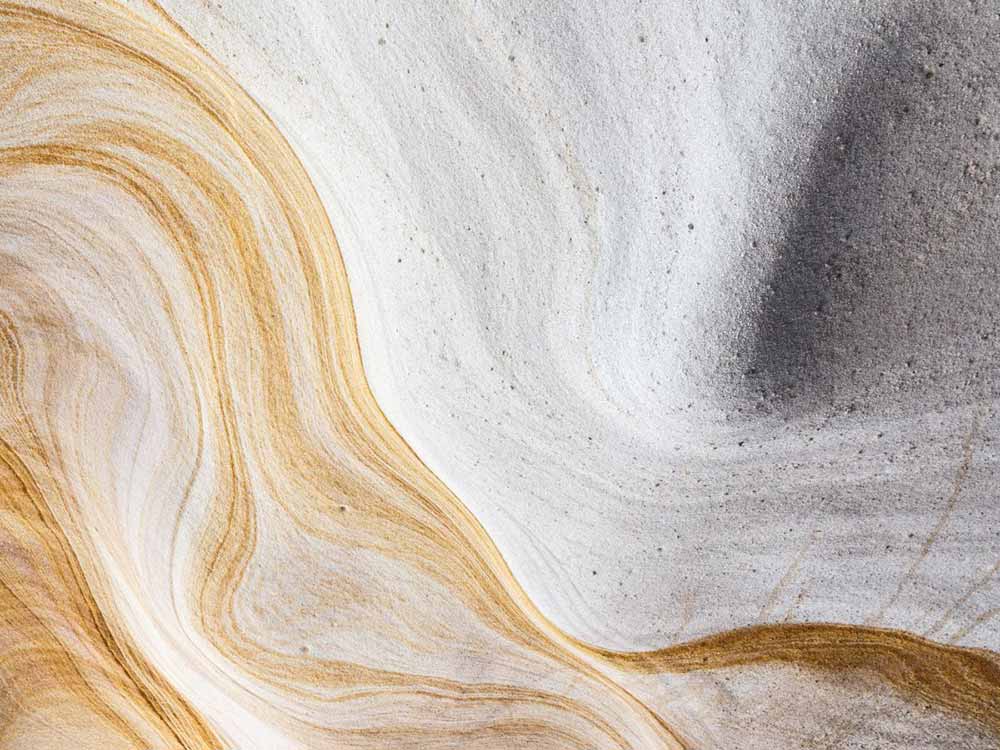
Over countless millennia, the sands that would eventually become Australian sandstone were eroded from ancient mountains and carried by rivers. These sands, predominantly made up of quartz grains, settled in coastal and marine environments. Through the processes of compaction and cementation, these sands transformed into solid rock. Over time, distinct layers formed, giving rise to the characteristic banding that often defines sandstone formations.

How Did Sandstone Form in Australia?

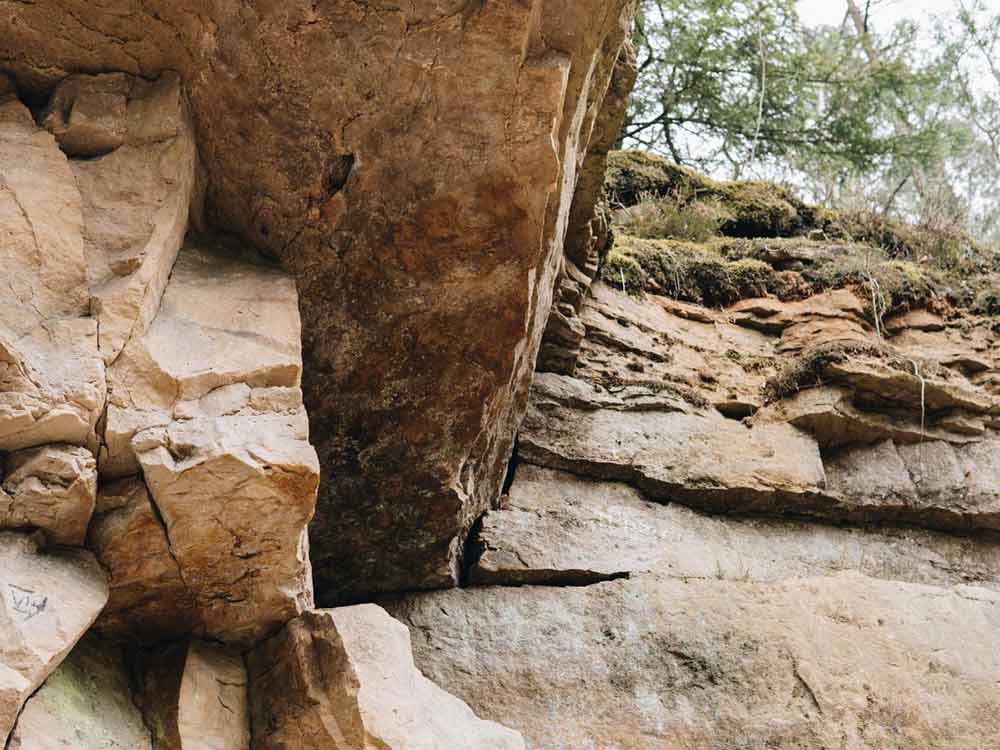
Like other landmasses on Earth, Australia has undergone substantial tectonic activity over millions of years. The movement of tectonic plates and the collision and separation of landmasses all shaped Australian sandstone. As the continent drifted, ancient sandstone beds were uplifted and exposed to the elements, initiating erosion and weathering processes.

The stunning sandstone formations we see today result from millions of years of erosion, driven by the forces of wind, water and temperature fluctuations. Water, in the form of rainfall and rivers, has played a significant role in sculpting these formations. It has carved out canyons, valleys and gorges, leaving spectacular sandstone cliffs and unique geological features. Wind and sandstorms have also contributed, adding intricate patterns and distinct characteristics to some sandstone landscapes.

Iconic Australian Sandstone Landscapes

You can see the diverse charm of Australian sandstone across the continent. The iconic Uluru-Kata Tjuta National Park in the Northern Territory proudly hosts Uluru, an immense sandstone monolith revered for its cultural and spiritual significance.

Near Sydney, the Blue Mountains showcase towering sandstone cliffs and picturesque valleys, offering breathtaking views and abundant opportunities for exploration.

In Western Australia, Purnululu National Park is a UNESCO World Heritage site and is famous for its unique sandstone formation known as the Bungle Bungle Range. This range features stunning beehive-shaped domes characterised by alternating orange and black bands of sandstone.

Read more about the Indigenous cultural significance of sandstone in Australia here.

A Living Record of the Past

Sandstone not only reveals the geological history of Australia but also provides valuable insights into ancient ecosystems. Fossils of plants, marine creatures, and even dinosaur footprints have been discovered within sandstone formations, giving us a glimpse into the diverse flora and fauna that once thrived in Australia. These fossilised remnants enrich our understanding of prehistoric life on the continent, acting as a portal to the past.

The geological origins of Australian sandstone take us on a captivating journey through time, unravelling the intricate processes that shaped the continent’s iconic landscapes. From the ancient seas to the powerful forces of tectonics and erosion, each step in the formation of sandstone has left an indelible mark. Today, these majestic sandstone formations stand as enduring reminders of our ever-changing planet, inviting us to marvel at the beauty of the past and appreciate the forces that have shaped the remarkable landscapes we see today.

The geological journey of Australian sandstone is just the beginning of a remarkable story. Click here to read more about how sandstone is used in Australian architecture.